Colorado HOA Solar Panel Rules and Clothesline Rights: What Boards Get Wrong
Colorado law protects homeowner rights to install solar panels and clotheslines, but boards still make costly mistakes when drafting restrictions. This guide explains the statutory limits, acceptable conditions, and what your association should do next.
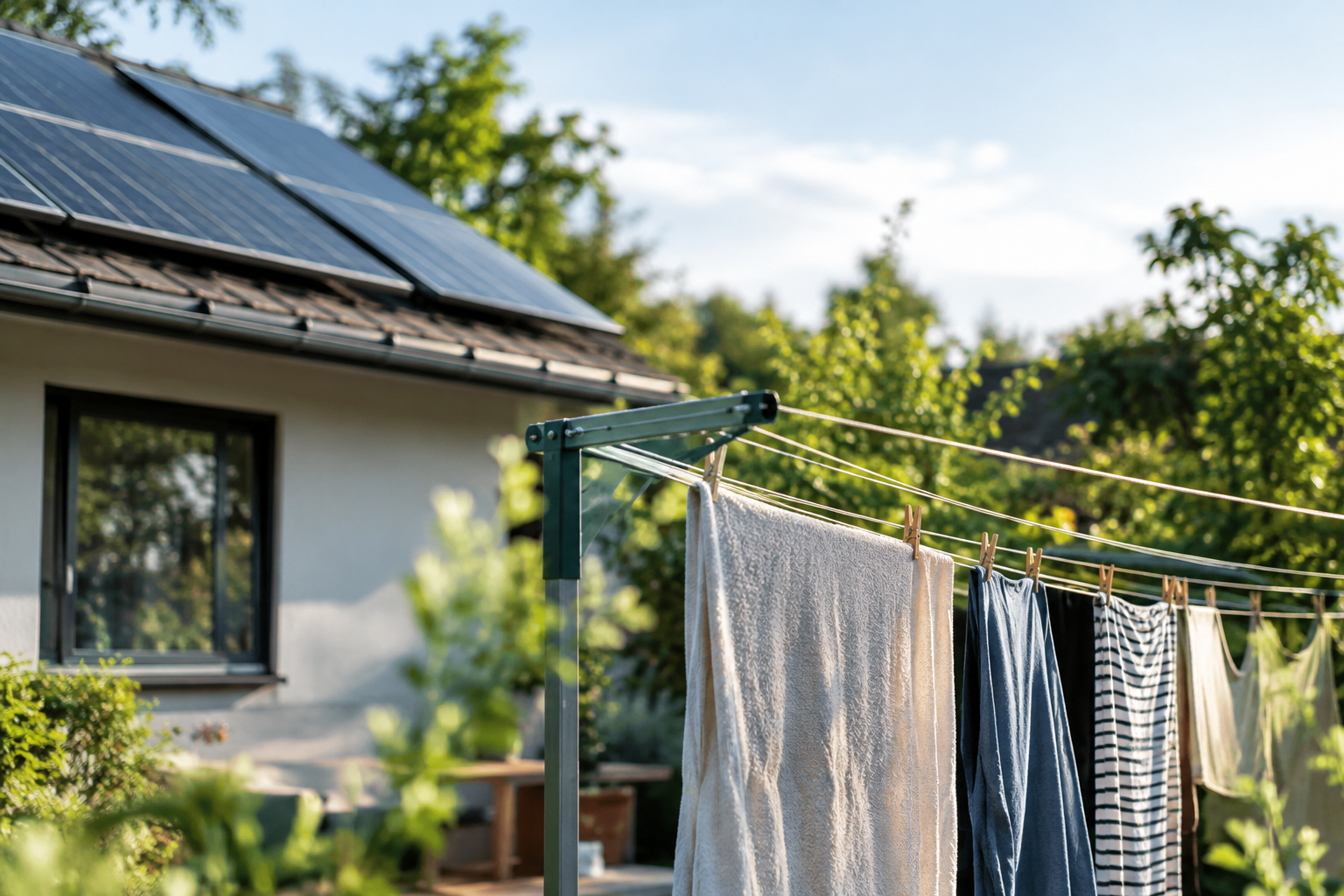
Colorado HOA Solar Panel Rules and Clothesline Rights: What Boards Get Wrong
Colorado prohibits homeowner associations from banning solar energy devices and clotheslines outright. While your board may impose reasonable restrictions on placement, design, and installation standards, you cannot prevent an owner from installing these fixtures. Many Colorado boards discover this limit only after an owner files a complaint or lawsuit, resulting in legal fees and forced policy reversals.
Colorado has no single consolidated statute that addresses solar panels and clotheslines in one section. The protection for solar energy devices appears primarily in common interest community statutes and case law grounded in public policy favoring renewable energy adoption. The Colorado Attorney General's office fields consumer complaints about HOA overreach, and the Colorado Division of Real Estate oversees community association manager licensing. When disputes escalate, Colorado courts apply a strict interpretation that favors owner rights over blanket HOA prohibitions.
What Colorado Law Protects
Colorado law treats solar energy devices and clotheslines differently from most architectural modifications. Your governing documents may include language that restricts exterior changes, but courts recognize a public policy exception for devices that reduce energy consumption and environmental impact. An owner who wants to install a rooftop solar array or a backyard clothesline can proceed even if your covenants say "no exterior modifications without approval," provided the owner meets reasonable conditions your board establishes.
A reasonable restriction might specify that solar panels must be installed flush with the roof plane, use a specific color that matches the shingles, or be placed on the rear slope rather than the front. For clotheslines, a reasonable restriction might require that the line be installed in a side yard or backyard, not exceed a certain height, and be removed or retracted when not in use. The key is that your restriction cannot have the practical effect of prohibiting the installation or increasing the cost so much that the device becomes economically unfeasible.
Your board cannot require an owner to pay for expensive screening, landscaping, or architectural camouflage that doubles the project cost. You cannot limit solar panel installation to locations that receive inadequate sunlight. You cannot mandate that clotheslines be invisible from neighboring properties if that requirement makes installation impossible in a typical Colorado subdivision lot.
The Most Common Board Mistakes
The first mistake is drafting a blanket ban. Boards copy governing document templates from other states or rely on old covenant language that predates renewable energy policy shifts. When an owner submits an architectural request for solar panels, the board denies it based on a covenant provision that says "no panels, antennas, or equipment visible from the street." The owner installs the panels anyway, the board fines the owner, and the owner files a complaint. The board spends thousands on legal fees to defend a policy that Colorado courts will not uphold.
The second mistake is imposing requirements that price out the installation. A Highlands Ranch association told a homeowner in 2019 that solar panels were permitted only if the owner installed additional landscape berms and perimeter fencing to block views from neighboring lots. The cost of the landscaping exceeded the cost of the solar array. The owner filed a complaint with the Colorado Division of Real Estate, and the board eventually rescinded the requirement after legal counsel advised that the condition was unreasonable.
The third mistake is delay. Some boards acknowledge that they cannot prohibit solar panels but slow the approval process by requesting multiple plan revisions, requiring professional engineer stamps for standard installations, or scheduling architectural review meetings months in advance. An owner who submits a complete application in March and does not receive approval until September may lose federal or state tax incentives tied to installation deadlines. Unreasonable delay is a form of constructive denial.
The fourth mistake is treating solar panels and clotheslines as equivalent to decorative changes like paint color or mailbox style. Boards apply the same discretionary aesthetic review process to solar panels that they use for shutters or porch lights. But solar panels and clotheslines carry a statutory protection that decorative changes do not. Your board must presume approval unless you can show that a specific condition is necessary to protect safety, structural integrity, or the reasonable aesthetic interests of the community.
What Reasonable Restrictions Look Like
A reasonable solar panel restriction in a Colorado HOA might include the following conditions: panels must be installed by a licensed contractor, the installation must comply with local building codes and obtain necessary permits, panels must be mounted flush with the roof surface or installed on a ground mount structure that does not exceed six feet in height, the color and finish of panels must be black or dark gray to minimize glare, and any conduit or wiring must be routed inside walls or painted to match the exterior trim.
For clotheslines, a reasonable restriction might require that lines be installed in rear or side yards only, the height of posts or retractable mounts not exceed seven feet, the line be removed or retracted when not in use for more than 48 hours, and the design be a simple two post or retractable reel system without decorative embellishments.
These restrictions focus on objective criteria that balance owner rights with community standards. They do not require prior approval for the concept of installing solar or a clothesline, only approval for the specific design and location details. They do not impose cost burdens that render the installation economically impractical.
The Denver Metro Solar Dispute
A notable example occurred in a Centennial subdivision in 2021. The HOA's architectural guidelines stated that "solar panels are permitted on rear roof slopes only." A homeowner's lot orientation meant that the rear slope received less than four hours of direct sunlight per day due to a row of mature cottonwood trees along the back property line. The homeowner requested approval to install panels on the south facing front slope, where sunlight exposure exceeded eight hours per day. The board denied the request, citing the guidelines.
The homeowner installed the panels on the front slope and provided the board with an energy production analysis showing that rear slope installation would generate 60 percent less electricity and extend the payback period from seven years to 15 years. The board issued a violation notice and scheduled a hearing. The homeowner retained an attorney who sent a letter explaining that the guideline was unreasonable as applied to this lot and that Colorado public policy favored solar adoption. The board rescinded the violation and amended its guidelines to allow front slope installation when rear slope installation would reduce energy production by more than 30 percent.
The cost to the HOA: attorney fees of approximately $4,200 for review and response, plus the time spent by board members and the property manager over four months. The lesson: a guideline that appears reasonable in general application may be unreasonable when applied to a specific lot configuration.
Clothesline Compliance in Colorado
Colorado's protection for clotheslines stems from the same public policy rationale as solar panel rights. Clotheslines reduce electricity consumption and promote energy conservation. Your board cannot prohibit clotheslines, but you can regulate their placement and appearance using the same reasonableness standard that applies to solar panels.
A mistake some boards make is treating clotheslines as temporary structures that do not require approval. This leads to inconsistent enforcement. One owner installs a retractable line on a garage wall, another owner installs a permanent four post rotary dryer in the front yard. When the board tries to enforce a rule against visible drying apparatus, owners argue that the board allowed the first installation and cannot selectively enforce.
The solution is to establish a clear written policy. State that clotheslines are permitted in rear and side yards, specify the maximum height and type of mounting system allowed, and require owners to submit a one page form showing the proposed location and design. Process the approval within 14 days unless the proposed installation violates a specific condition in your policy.
Enforcement and Dispute Resolution
When an owner installs a solar array or clothesline without approval, your board has two choices. First, you can issue a violation notice and assess fines, but be prepared to defend your position if the owner challenges it. If your restriction is unreasonable or your process was delayed, you will spend more on legal fees than you collect in fines. Second, you can review the installation to confirm it meets your reasonable restrictions, then approve it retroactively and waive any fines.
The second approach saves money and preserves community relationships. Many owners install solar panels without realizing they need architectural approval, especially if they work with solar companies that do not explain HOA requirements. When the installation complies with your objective design criteria, approving it after the fact is faster and cheaper than litigation.
If the installation does not comply with your reasonable restrictions, document the specific deficiency and offer the owner a path to compliance. For example, if the owner installed panels on roof racks that extend 12 inches above the roof surface when your guideline requires flush mounting, explain that the owner must modify the racks to reduce the profile to three inches or less. Give the owner 60 days to make the change. Most owners will comply when the requirement is clear, specific, and reasonably related to aesthetic harmony.
Legislative and Market Trends
Colorado's solar market has grown rapidly since 2015, driven by federal tax credits, state incentives, and declining equipment costs. The Colorado Energy Office reports that residential solar installations increased by 28 percent between 2020 and 2023. As more homeowners adopt solar, HOA boards face more architectural requests and more disputes over installation conditions.
Clothesline use has also increased, particularly in mountain communities and areas with high summer temperatures where outdoor drying reduces air conditioning costs. Boards in Boulder, Fort Collins, and Colorado Springs have updated architectural guidelines in the past five years to clarify clothesline policies.
The trend toward renewable energy and conservation will continue. Your board should anticipate more solar and clothesline requests and prepare written policies now rather than respond reactively to each application.
What Your Board Should Do Next
Review your governing documents and identify any provisions that prohibit or restrict solar panels and clotheslines. If your covenants include a blanket ban, acknowledge that Colorado law limits enforcement of that provision. Draft a written architectural guideline that permits solar panels and clotheslines subject to reasonable conditions.
Your guideline should define what reasonable means in your community. Include objective criteria such as location, height, color, mounting method, and installation standards. Avoid subjective criteria such as "harmonious appearance" or "architectural compatibility" without defining measurable standards.
Train your architectural review committee to process solar and clothesline requests within 30 days. Create a checklist that committee members can use to confirm that a proposed installation meets your criteria. If a request does not meet your criteria, provide written feedback that explains the specific deficiency and offers alternatives.
Consult your attorney for your specific situation to ensure your policy complies with Colorado law and your governing documents. An attorney can review your covenant language, advise on amendment procedures if necessary, and help you draft a guideline that balances owner rights with community standards.
Manorway's AI assisted platform helps your board manage architectural requests, store governing documents, and track approval timelines. When you receive a solar panel application, you can upload the plans, assign the review to a committee member, set a deadline, and record the approval decision in one system. The platform reminds you of pending requests so you do not miss the 30 day processing window. You can also store your solar and clothesline policy in the document library where owners can access it before submitting an application.
Colorado boards that proactively adopt clear solar and clothesline policies reduce disputes, save legal fees, and support homeowner energy goals. When you combine written guidelines with a system that tracks requests and deadlines, you protect your association from costly mistakes and build trust with your members.
Ready to modernize your HOA management?
Learn how Manorway can help your community operate more efficiently.
Get Started Today