Delaware HOA EV Charging Law: Owner Rights and Board Rules
Delaware does not have a state law that requires homeowner associations to permit electric vehicle charger installations. Your rights depend on your association's declaration, architectural guidelines, and the board's approval process.
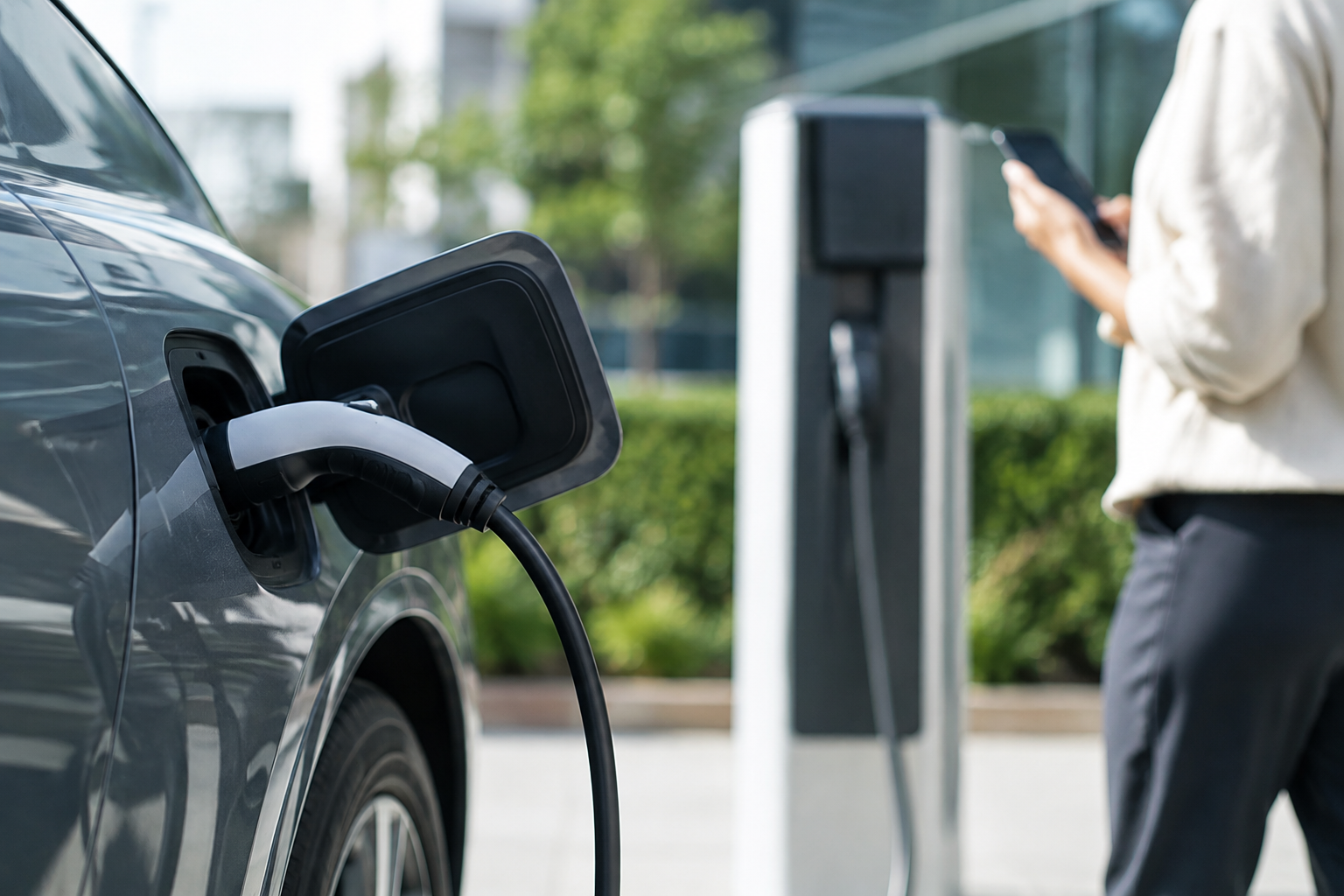
Delaware HOA EV Charging Law: Owner Rights and Board Rules
Delaware has no state statute that mandates homeowner associations approve electric vehicle charger installations on common elements or owner property. Your right to install an EV charger in a Delaware condo or HOA depends entirely on your governing documents, the architectural review process in your bylaws, and the board's discretionary authority. Without a state law directive, boards retain broad control over modifications to common property and exterior alterations.
This absence of legislation creates variability across Delaware communities. Some associations have adopted policies that streamline EV charger requests, while others prohibit them outright or impose lengthy review periods. Your next step is to confirm what your declaration and architectural guidelines say about vehicle charging equipment before you purchase a charger or submit an application.
How Delaware Governing Documents Control EV Charger Requests
Your association's declaration of covenants is the primary legal document that defines what modifications you may make to your unit, lot, or any common area. Most Delaware HOA declarations include a clause requiring board or architectural committee approval for any exterior change, addition, or alteration. EV chargers mounted on garage walls, driveway posts, or parking spaces typically fall under this approval requirement.
If your declaration prohibits alterations to common elements without unanimous or supermajority owner consent, the board cannot unilaterally approve your charger even if the board supports the project. You would need to petition for an amendment to the declaration, which often requires 67 percent or 75 percent of unit owners to vote in favor. This process can take months and may not succeed if other owners oppose the change.
If your declaration grants the board discretion to approve modifications, your application will go through the architectural review committee or the full board. The board will evaluate whether the charger affects the common interest, creates liability exposure, increases insurance premiums, or imposes maintenance costs on the association. Delaware common law requires boards to act reasonably and in good faith, but reasonableness is a subjective standard that courts interpret case by case.
Delaware Agency Oversight and Dispute Resolution
The Delaware Department of Justice oversees certain consumer protection matters, but it does not regulate homeowner associations or condo boards directly. If you believe your board denied your EV charger request arbitrarily or in violation of your governing documents, your remedy is typically a declaratory judgment action in Delaware Superior Court or Court of Chancery.
Delaware courts apply the business judgment rule to board decisions. Under this standard, a court will not overturn a board's decision unless you prove the board acted in bad faith, outside its authority, or contrary to the governing documents. If your board denied your charger request because it concluded the installation would require electrical upgrades to common area panels or create fire code compliance costs, the court is likely to defer to that judgment.
One practical consideration: Delaware has seen a concentration of EV adoption in New Castle County, where approximately 62 percent of the state's population lives and where median household income is higher than in Kent or Sussex counties. Associations in Wilmington, Newark, and the surrounding suburbs have received more charger requests than associations in slower growth areas. Boards in these metro zones are beginning to adopt standardized policies to manage the volume of applications.
What You Should Include in Your EV Charger Application
When you submit a request to install an EV charger in a Delaware HOA, include the following elements to increase the likelihood of board approval:
- A site plan showing the exact location of the charger, conduit routing, and any exterior components. Label whether the installation will occur on your exclusive use property, limited common element, or general common element.
- A specification sheet for the charger model, including amperage, voltage, and whether the unit is hardwired or plug in. Note whether the charger is UL listed and complies with National Electrical Code Article 625.
- A licensed electrician's proposal that describes how the charger will connect to your unit's electrical panel or the common area panel. If the common area panel requires an upgrade, state who will pay for the upgrade and whether the association's insurance will cover the new equipment.
- Proof of liability insurance that names the association as an additional insured. Many boards require 1 million dollars in coverage for owner installed equipment that connects to common area electrical systems.
- A maintenance agreement that assigns responsibility for repairs, inspections, and eventual removal of the charger. Clarify whether you or the association will maintain the equipment and what happens if you sell your unit.
- A hold harmless agreement indemnifying the association against claims arising from the charger's installation or use. This clause protects the association if the charger causes a fire, electrical fault, or injury to another resident.
Real Example: Wilmington Area Condo EV Charger Dispute
In 2023, a unit owner at a mid rise condominium near Trolley Square in Wilmington submitted a request to install a Level 2 charger in an assigned parking space. The owner provided a licensed electrician's plan, insurance documentation, and a proposal to pay 100 percent of installation costs. The board denied the request, citing concerns that the electrical panel in the parking garage could not support additional load without a costly upgrade.
The owner appealed the decision and offered to fund the panel upgrade. The board reconsidered and approved the project after the owner agreed to a special assessment structure that allowed other interested owners to share the upgrade cost. Three additional owners installed chargers within six months, and the association adopted a formal EV charger policy in early 2024. The policy caps the number of chargers at 20 percent of total parking spaces until the association completes a comprehensive electrical study.
This example illustrates that even without a state statute, Delaware boards can create flexible solutions when owners present thorough proposals and share infrastructure costs. The key is documentation, technical detail, and willingness to negotiate terms that protect the association's financial interest.
Steps You Should Take Now
Review your association's declaration, bylaws, and architectural guidelines to identify the approval process for modifications. Look for language about exterior alterations, electrical work, and common element use. If your documents are silent on EV chargers, check whether the board has adopted a separate policy or resolution addressing charging equipment.
Contact your board in writing before you purchase a charger or hire an electrician. Ask whether the board has a standard application form for EV charger requests and what supporting documents you must submit. Request a timeline for the review process and clarify whether the architectural committee or the full board has final approval authority.
Obtain at least two proposals from licensed electricians who have experience installing chargers in multi unit communities. Compare the cost of a dedicated circuit from your unit panel versus a connection to a common area panel. If your unit panel lacks capacity, explore whether a load management system can balance the electrical load across multiple chargers without a panel upgrade.
Consult your attorney for your specific situation. An attorney can review your governing documents, assess whether the board has discretion to approve your request, and advise you on dispute resolution options if the board denies your application without a reasonable basis.
How Manorway Supports EV Charger Policy Development
Manorway's AI assisted platform helps Delaware HOA boards document EV charger policies, track modification requests, and maintain records of architectural committee decisions. When your board establishes a clear process for reviewing charger applications, you reduce the risk of inconsistent approvals and create a reference library for future requests.
You can store charger specifications, electrician proposals, and insurance certificates in a central repository that all board members can access. Manorway also generates timelines for the review process, sends automated reminders to committee members, and archives board resolutions so you can demonstrate consistent treatment of similar requests. This structure is valuable when owners challenge a denial or when your association needs to prove it followed its own procedures during a court dispute.
Ready to modernize your HOA management?
Learn how Manorway can help your community operate more efficiently.
Get Started Today