Hawaii HOA Solar Panel and Clothesline Rules Under State Law
Hawaii protects homeowner rights to install solar panels and clotheslines, but your association retains authority to enforce reasonable placement and aesthetic standards within statutory boundaries.
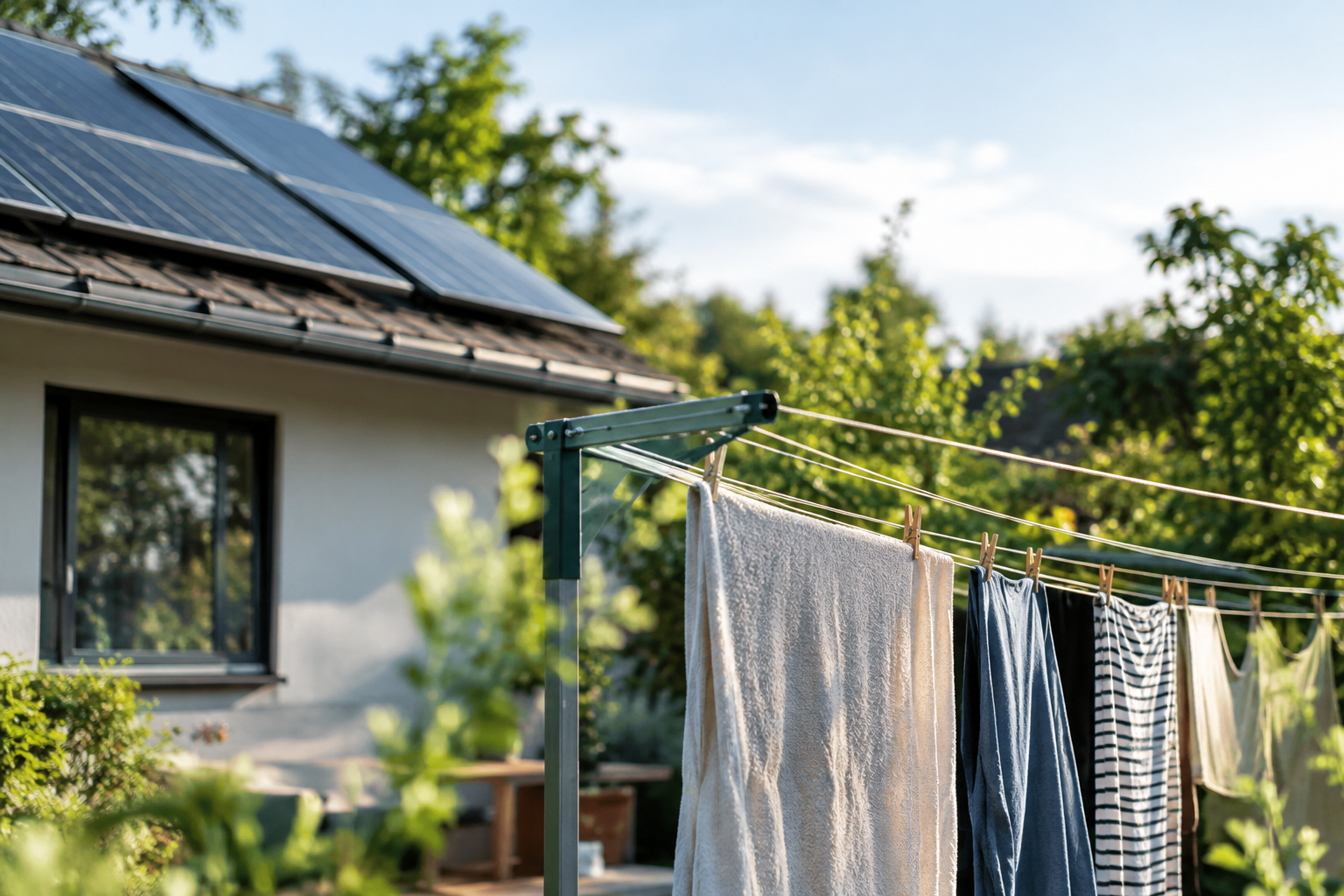
Hawaii HOA Solar Panel and Clothesline Rules Under State Law
Hawaii has no single comprehensive statute that addresses both solar panel installation and clothesline use in HOA communities. Instead, your rights and your association's regulatory authority come from a combination of Hawaii Revised Statutes provisions on renewable energy, common law property rights, and your governing documents. The Hawaii Office of Consumer Protection and the State of Hawaii Department of Commerce and Consumer Affairs oversee HOA compliance with consumer protection standards, including disputes over energy device restrictions.
Because Hawaii law does not consolidate solar and clothesline rules into one code section, you must examine multiple sources to determine what your association can and cannot restrict. Your declaration of covenants and CC&Rs remain the primary authority, but state policy strongly favors renewable energy access and energy conservation measures.
Solar Panel Installation Rights in Hawaii
Hawaii policy supports solar energy adoption as part of the state's clean energy goals. Your HOA cannot adopt a blanket prohibition on solar panel installation. If your governing documents contain a total ban on rooftop solar arrays, that provision is likely unenforceable under Hawaii public policy, even without a specific statute numbered reference.
Your association retains authority to regulate the placement, appearance, and installation method of solar equipment. You can require that panels be installed by a licensed contractor, that they match the roofline or are placed on the least visible roof plane, and that the installation does not damage common elements or create a safety hazard. You cannot use these standards as a pretext to deny all solar applications.
A concrete example: the Kailua Bay Homeowners Association on Oahu adopted architectural guidelines in 2019 that required solar panels to be flush mounted and limited to the rear slope of the roof. When a homeowner applied to install panels on the front slope facing the street, the board denied the request. The homeowner filed a complaint with the State of Hawaii Department of Commerce and Consumer Affairs, arguing that the rear slope received insufficient sunlight to make the system economically viable. The parties settled, and the association amended its guidelines to allow front slope installation when a licensed solar contractor certifies that the rear slope is unsuitable due to shading or orientation. The settlement cost the association $8,400 in legal fees and required the board to reimburse the homeowner's $1,200 application fee.
Your next step is to review your architectural review process. Confirm that your standards allow solar installation in at least one location on each lot that receives adequate sunlight. Document the criteria your board will use to evaluate applications, including safety, structural integrity, and visual impact. Avoid subjective terms like "unsightly" or "unattractive" without defining measurable standards.
Clothesline and Outdoor Drying Rights
Hawaii has no state statute that expressly protects the right to hang laundry outdoors in HOA communities. Your association's authority to regulate or prohibit clotheslines comes from your CC&Rs and architectural standards. Because Hawaii's climate supports year round outdoor drying and reduces energy consumption, some associations permit clotheslines in rear yards or lanais while restricting them in front yards.
If your governing documents are silent on clotheslines, your board has discretion to adopt reasonable rules. You can limit clotheslines to areas not visible from the street, require retractable lines, or prohibit permanent poles or structures. You cannot adopt rules that make outdoor drying practically impossible if energy conservation is a stated community goal in your documents.
A typical pattern in Hawaii condominiums is to allow drying racks on private lanais while prohibiting lines strung between buildings or across common area walkways. Townhome associations often permit retractable lines in fenced rear yards but ban permanent posts in front yards.
Your board should document its current policy in writing. If your CC&Rs contain a total ban on outdoor drying, consider whether that restriction aligns with Hawaii's energy conservation culture and whether it creates enforcement problems. Poll your members to determine whether a compromise rule allowing discreet drying areas would reduce violations and complaints.
Architectural Review Process and Member Notice
Whether the issue is solar panels or clotheslines, your architectural review process must provide clear standards, a written application procedure, and a reasonable timeline for board response. Hawaii common law requires that HOA boards act reasonably and in good faith when reviewing member requests.
Your application form should specify what documentation the homeowner must submit, such as contractor licenses, system specifications, photographs, or site plans. Set a deadline by which the board will respond, typically 30 to 60 days. If the board denies a request, provide a written explanation that cites the specific governing document provision or architectural standard that the proposal violates.
Keep a record of every application, the board's decision, and the reasons for approval or denial. This record protects the board if a member later claims that the decision was arbitrary or discriminatory.
What You Should Do Now
Pull your declaration, CC&Rs, and architectural guidelines. Search for any language that addresses solar panels, renewable energy devices, or clotheslines. If your documents contain a total ban on solar installation, consult your attorney to determine whether that provision is enforceable under current Hawaii public policy. If your documents are silent, draft proposed guidelines that balance homeowner energy rights with community aesthetic standards.
Schedule a board meeting to review and adopt or amend your architectural standards. Send a written summary of the standards to all members at least 30 days before enforcement begins. Include examples of compliant and noncompliant installations, application forms, and contact information for questions.
Consult your attorney for your specific situation, particularly if your community has pending applications or disputes over solar or clothesline installations. An attorney familiar with Hawaii HOA law can help you draft enforceable standards that respect member rights and avoid costly litigation.
Manorway's AI assisted platform helps you manage architectural review applications, track board decisions, and store governing documents in one accessible location. You can create custom forms for solar and energy device applications, set automated reminders for response deadlines, and maintain a complete audit trail of approvals and denials. When your board uses a structured process to evaluate member requests, you reduce the risk of inconsistent decisions and create transparency that protects both the association and individual homeowners.
Ready to modernize your HOA management?
Learn how Manorway can help your community operate more efficiently.
Get Started Today