Community Events That Build Belonging Without Breaking the Budget
Strong communities form through regular connection, not expensive productions. These six low cost HOA events deliver genuine belonging for under $300 each, with clear budgets and actionable plans your board can implement this year.
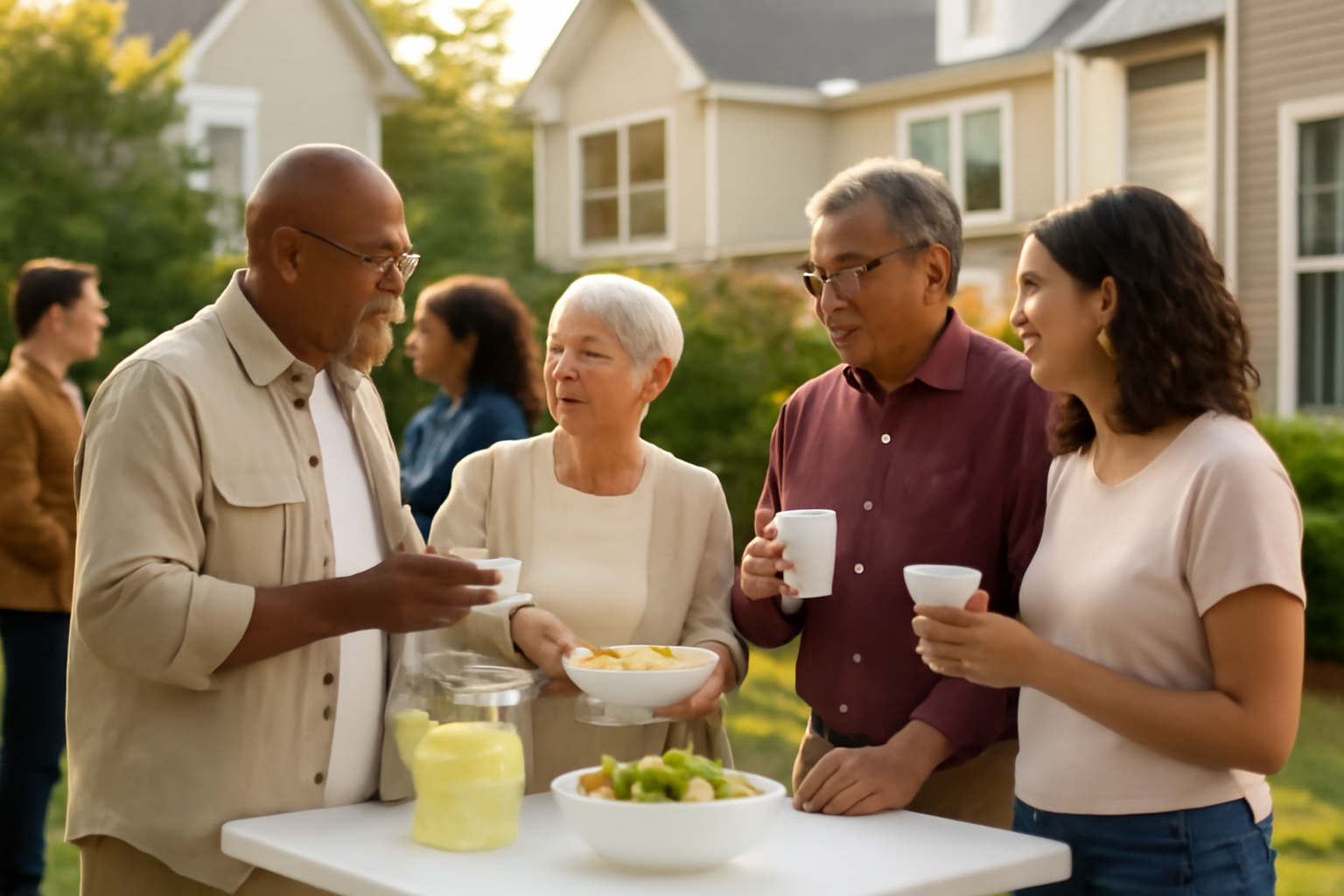
Community Events That Build Belonging Without Breaking the Budget
Your HOA budget has competing demands. Maintenance reserves, insurance premiums, and infrastructure needs absorb significant funds. Yet social connection remains one of the most powerful tools you have to reduce friction, increase compliance, and build the community your residents actually want to live in.
The good news? Community building HOA events do not require big budgets. The six events below each cost under $300 and create opportunities for neighbors to connect in meaningful ways. We have included real numbers so you can present accurate proposals to your board.
1. Neighborhood Walking Group Launch: $75
Walking groups create recurring connection without recurring costs. Your one time investment covers the launch event that gets residents engaged.
Budget breakdown: $50 for printed route maps and safety tips, $25 for bottled water for the kickoff walk. Designate three different route lengths (1 mile, 2 miles, 3 miles) that start from a central point. Schedule walks for the same time each week.
Post routes and times on your communication platform and common area bulletin boards. After the initial launch, the event sustains itself. Regular walkers will naturally assume informal leadership, and new residents can join any week.
2. Community Garden Workday: $150
Shared work builds relationships faster than passive attendance events. A community garden workday puts neighbors side by side with common purpose.
Budget breakdown: $80 for seeds, starter plants, and soil amendments, $40 for basic tools if your HOA lacks them, $30 for light refreshments like lemonade and granola bars. If your HOA has unused green space, dedicate a 10 by 20 foot plot as a community garden.
Schedule the workday for a Saturday morning. Residents who cannot attend the workday can still participate by watering or harvesting later. The garden becomes a lasting gathering point beyond the single event.
3. Skill Swap Social: $100
Your community contains tremendous expertise. A skill swap social helps residents discover the talents living next door while reducing dependency on outside vendors.
Budget breakdown: $60 for simple refreshments like coffee, tea, and cookies, $40 for name tags and poster boards where residents list skills they can teach or want to learn. Host the event in your clubhouse or a large common area.
Skills might include basic home repair, language conversation practice, cooking techniques, or technology troubleshooting. The connections formed during skill swaps often continue long after the event, creating natural mentorship relationships within your community.
4. Outdoor Movie Night: $250
Movie nights deliver high perceived value at low actual cost. Families appreciate affordable entertainment close to home.
Budget breakdown: $150 for projector and speaker rental (many boards find purchasing equipment pays for itself after three events), $60 for popcorn supplies and individual bags, $40 for lawn chairs if your community lacks seating. Choose a family friendly film with broad appeal.
Project the movie on a blank exterior wall or large portable screen. Start after sunset during summer months. Residents bring blankets and gather naturally in family groups. The informal setting encourages conversation before and after the film.
5. Community Clean Up Day: $125
Clean up events combine visible property improvement with social bonding. Residents feel ownership when they contribute directly to community appearance.
Budget breakdown: $50 for work gloves in assorted sizes, $40 for trash bags and basic supplies, $35 for pizza or sandwiches afterward. Divide participants into teams assigned to different areas.
The post event meal matters. Residents who worked together transition naturally from task focus to social conversation. You will often see new friendships forming over those sandwiches. Take before and after photos to document the impact and share on your community platform.
6. Quarterly Coffee and Conversation: $200 per year
Regular informal gatherings with board members increase transparency and reduce complaint escalation. When residents know board members as neighbors, interactions become more constructive.
Budget breakdown: $50 per quarter for coffee, tea, and light pastries. No agenda, no formal presentation. Board members attend in listening mode. Host for 90 minutes on a Saturday morning in your clubhouse.
Residents drop in when convenient within that window. The casual format encourages questions and concerns to surface early, before they become formal complaints. You will gather valuable feedback about community priorities while building personal connections that make difficult governance decisions easier.
Making Events Sustainable
Low cost HOA events succeed when they become patterns, not one time efforts. Choose two or three events from this list that match your community culture. Schedule them at regular intervals through the rest of 2026.
Assign a single board member or volunteer to coordinate each event type. Avoid the trap of making events elaborate. Simple execution, repeated regularly, builds more lasting connection than occasional expensive productions.
Track attendance and gather brief feedback after each event. You will quickly identify which formats resonate with your residents. Some communities love active events like clean up days. Others prefer passive gathering opportunities like movie nights. Let participation data guide your planning.
The Compound Effect of Regular Connection
HOA community events work because they transform neighbors from strangers into familiar faces. That familiarity changes behavior. Residents who know their neighbors keep noise down voluntarily, maintain properties more carefully, and approach conflicts with more grace.
Your governance platform from Manorway can help you schedule events, send reminders, and collect RSVPs efficiently. But the technology simply assists with logistics. The real work happens when neighbors meet face to face around shared activities.
Start with one event before summer ends. Budget $300 or less. Focus on creating space for conversation rather than impressive production values. The connections that form will strengthen your community far more than the dollars spent.
Ready to modernize your HOA management?
Learn how Manorway can help your community operate more efficiently.
Get Started Today