Iowa HOA Drone and Surveillance Rules: What Your Board Can Enforce
Iowa does not have a state statute that restricts HOA use of drones or surveillance cameras. Your association's authority to regulate aerial photography, security cameras, and member privacy flows from your governing documents and Iowa common law principles of reasonable expectation of privacy.
Iowa HOA Drone and Surveillance Rules: What Your Board Can Enforce
Iowa does not have a state statute that restricts HOA use of drones or surveillance cameras. Your association's authority to regulate aerial photography, security cameras, and member privacy flows from your governing documents and Iowa common law principles of reasonable expectation of privacy. Without specific state legislation on HOA surveillance, your board must balance security needs against privacy concerns using bylaws, covenants, and best practices.
What Iowa Law Does and Does Not Cover
Iowa Code Chapter 657 addresses unlawful surveillance in private spaces. This criminal statute prohibits viewing, photographing, or filming a person in a place where that person has a reasonable expectation of privacy without consent. The statute applies to individual actors but does not create a framework for HOA drone or camera policies. The Iowa Attorney General's office prosecutes violations of privacy statutes but does not issue guidance specific to community association surveillance.
Because Iowa law is silent on HOA specific drone and camera rules, your association operates under the general privacy framework that applies to all Iowa residents. If your HOA installs a camera that captures images of a homeowner inside their residence through a window, that could violate Iowa Code Chapter 657. If your HOA prohibits members from flying drones over common areas, that prohibition must appear in your governing documents to be enforceable.
Drones Over Common Property and Private Units
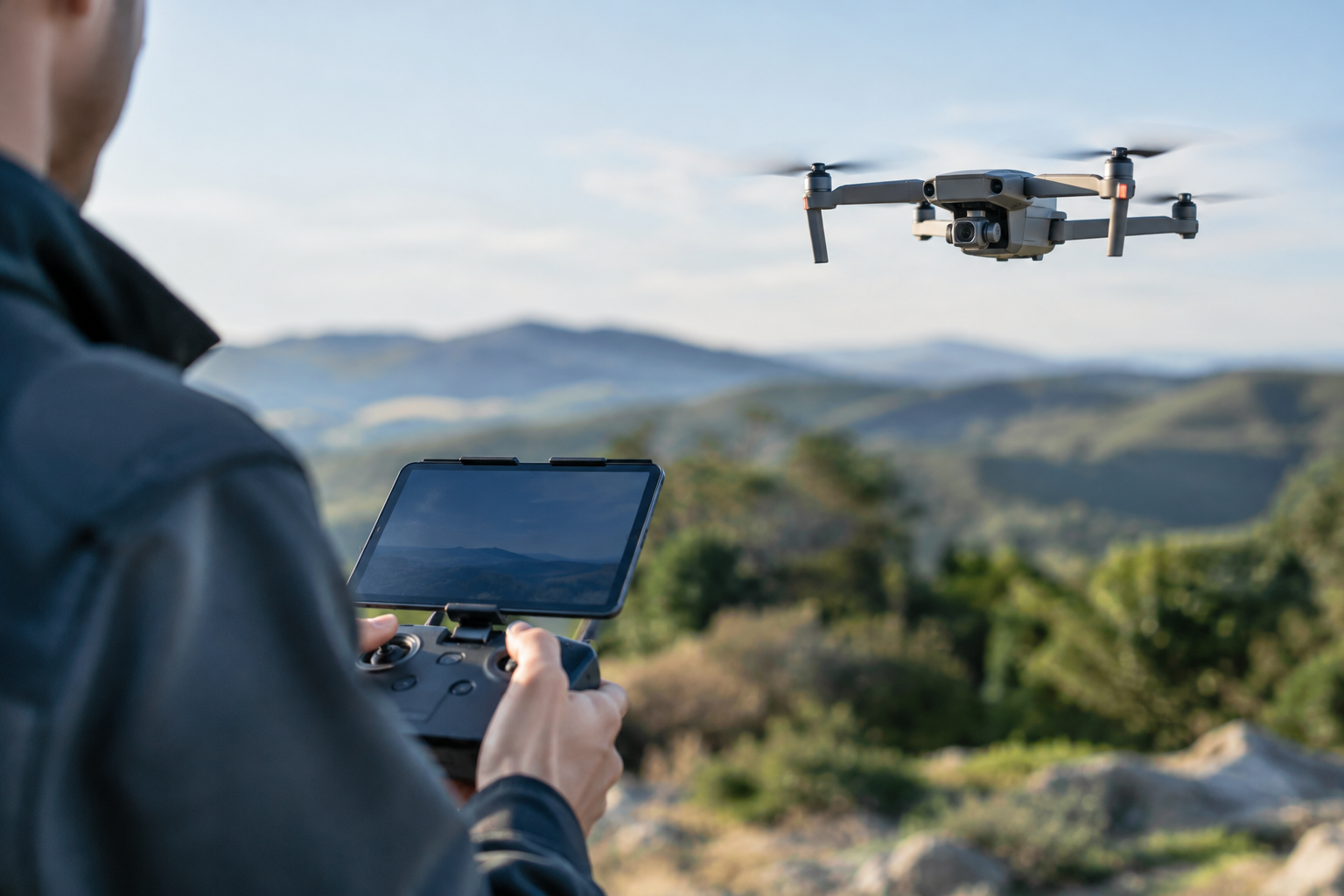
Your association's declaration and bylaws control whether members can operate drones over association property. If your documents grant the board authority to regulate nuisances, noise, or activities that disturb the quiet enjoyment of other members, you can adopt a rule that restricts drone flight times, altitude, and routes. If your documents are silent on drones, your board must amend the rules through the process specified in your bylaws, which typically requires a member vote and recorded amendment.
Iowa does not require drone operators to obtain a state license for recreational use, but federal law governs drone registration and airspace. The Federal Aviation Administration requires registration of drones weighing more than 0.55 pounds. Your HOA rule cannot contradict FAA regulations on altitude and airspace, but it can impose additional restrictions on when and where drones may take off and land within your community.
A practical example: the Rolling Hills Homeowners Association in West Des Moines adopted a drone policy in 2022 that prohibits members from flying drones below 100 feet over other members' property between sunset and sunrise. The policy also requires members to register their drone's serial number with the board and provide proof of FAA registration. When a homeowner challenged the rule in 2023, the association pointed to a bylaw provision that grants the board authority to regulate activities that create a nuisance. The parties settled before litigation, and the rule remains in effect.
Surveillance Cameras on Common Property
Your board can install security cameras on common property such as pool areas, parking lots, and clubhouse entrances. Iowa law does not require you to post notice of surveillance cameras in common areas, but notice is a best practice that reduces privacy disputes. If your association records video continuously, store that footage securely and limit access to board members, property managers, and law enforcement when necessary.
You cannot install cameras that intentionally capture images inside a member's unit or private yard. Iowa courts recognize a reasonable expectation of privacy in spaces enclosed by fences, walls, or curtains. If a camera on the clubhouse inadvertently captures a portion of a member's backyard, angle the camera to minimize that intrusion or install a privacy shield.
The cost of a four camera system for common areas typically ranges from 800 to 2,500 dollars for equipment and installation. Cloud storage for 30 days of footage adds 15 to 50 dollars per month per camera. Budget for these expenses in your annual operating plan and disclose the purpose of the cameras to members in advance.
Member Use of Doorbell Cameras and Private Surveillance
Members can install doorbell cameras and security cameras on their own units or lots as long as those cameras do not violate your covenants. If your architectural guidelines require board approval for exterior modifications, a doorbell camera may require that approval. If your covenants prohibit visible wiring or specify acceptable colors and finishes, the camera must comply.
A member's doorbell camera that captures the sidewalk, street, or a neighbor's front door is generally lawful in Iowa because those areas are visible from public vantage points. A camera aimed at a neighbor's window, backyard, or other private space could trigger a nuisance claim or a violation of Iowa Code Chapter 657 if the neighbor has a reasonable expectation of privacy.
Your association cannot ban doorbell cameras outright unless your declaration explicitly prohibits them. If a member's camera creates a dispute with a neighbor, your board can mediate but should not take enforcement action unless the camera violates a specific covenant or creates a documented nuisance.
Des Moines Metro Real Estate Context
Des Moines and its suburbs have seen steady growth in new construction single family and townhome communities since 2020. Many of these developments include extensive common areas, trails, and amenities. As more residents install personal security systems and drones become affordable, Iowa associations are encountering privacy disputes that did not exist a decade ago. Your board should proactively address surveillance and drones in your rules rather than wait for a conflict to force the issue.
What Your Board Should Do Now
Review your declaration, bylaws, and architectural guidelines. Identify any language that grants the board authority to regulate nuisances, noise, or activities on common property. If your documents are silent on drones and surveillance, consider whether your community needs a formal policy. Host a board meeting to discuss member concerns about privacy and security. Draft a proposed rule that balances both interests.
If you adopt a drone or camera policy, include the following elements: permitted hours of operation, altitude limits, notice requirements, registration with the board, and consequences for violations. Circulate the draft to members for comment at least 30 days before a vote. Record the final rule as an amendment to your governing documents if your bylaws require that step. Consult your attorney for your specific situation to confirm that your policy does not conflict with federal aviation law or Iowa privacy statutes.
How Manorway Supports Iowa Associations
Manorway's AI assisted platform helps your board track rule amendments, store governing documents, and maintain records of member requests for architectural approval. When a homeowner submits an application to install a doorbell camera or requests permission to fly a drone over common property, you can document that request, assign it to the appropriate committee, and track the decision through approval or denial. The platform generates a timestamped record that protects your board in disputes and demonstrates that you followed your own procedures.
Iowa associations that use Manorway report fewer disputes over privacy and surveillance because the platform makes it easy to publish rules, send notice to all members, and maintain a complete audit trail. You can upload your drone and camera policy, link it to the relevant bylaw section, and ensure that every member has access to the current version. When you need to amend the policy, the platform tracks the amendment history and flags any conflicts with existing rules.
Ready to modernize your HOA management?
Learn how Manorway can help your community operate more efficiently.
Get Started Today