Iowa HOA EV Charging Law: Owner Rights and Cost Impact
Iowa has no state statute that grants owners a right to install electric vehicle chargers in common interest communities. Your association's governing documents control whether you can install a charger and who pays for it.
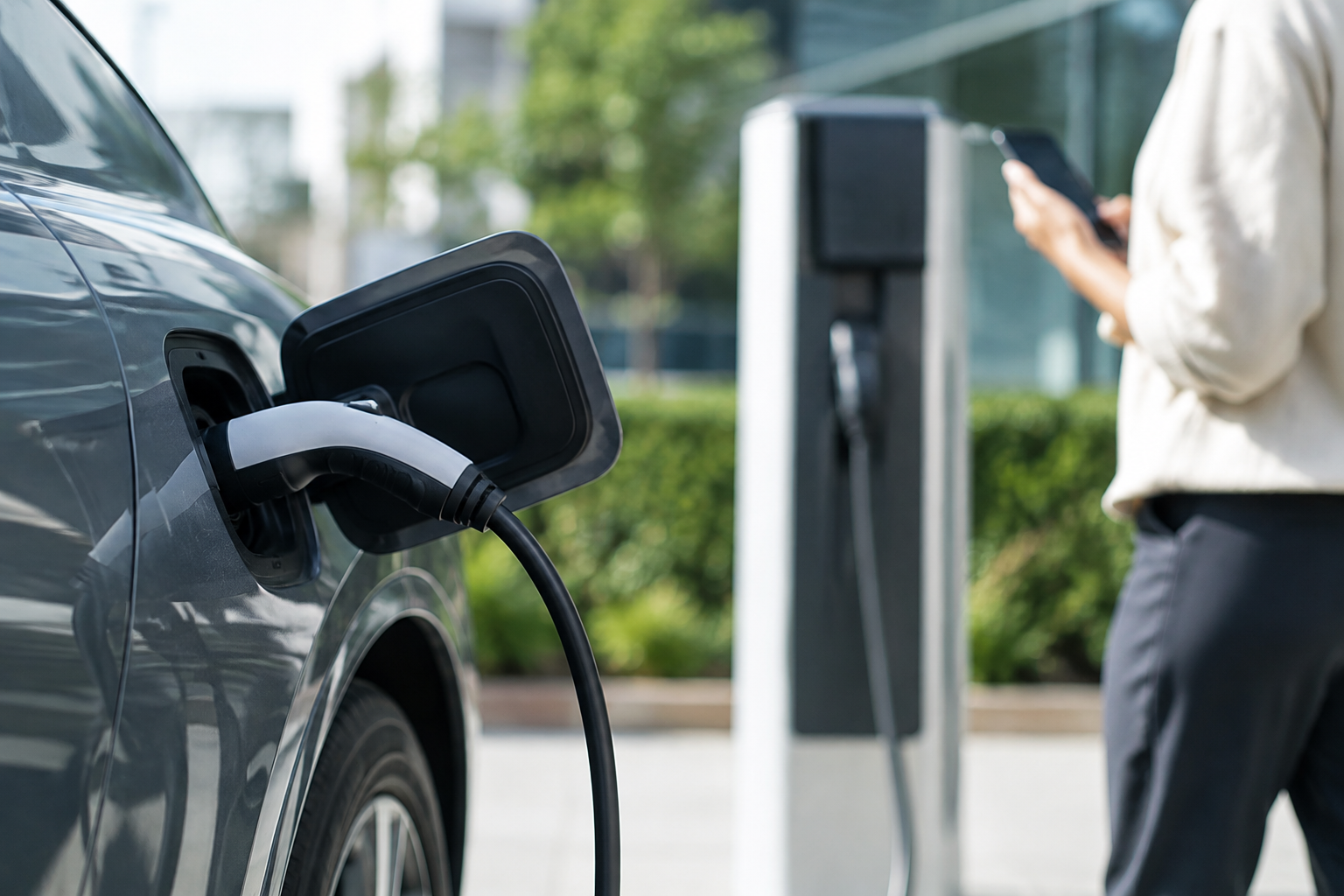
Iowa HOA EV Charging Law: Owner Rights and Cost Impact
Iowa has no state statute that grants homeowners or condo unit owners a right to install electric vehicle chargers in homeowner associations or common interest communities. Your association's declaration of covenants, bylaws, and architectural guidelines control whether you can install a charger, where you can place it, and who pays for the installation and ongoing electricity costs. The Iowa Attorney General's office oversees consumer protection and nonprofit compliance, but it does not enforce a statewide EV charging access mandate.
What Iowa Law Does Not Require
Unlike California, Colorado, or Florida, Iowa has not enacted legislation that prohibits associations from refusing EV charger installation requests. Your board retains the authority to deny an owner's request to install a Level 2 charger in a garage, carport, or assigned parking space if the governing documents prohibit alterations to common elements or limit exterior modifications. You are not violating state law when you enforce a blanket ban on chargers, but you may face member pressure and practical challenges as EV adoption increases.
The absence of state law means your board must balance three competing interests: the owner's desire to charge an electric vehicle at home, the association's duty to maintain property values and common infrastructure, and the risk that one owner's installation creates liability or cost burden for all members. When you draft or update architectural guidelines, you can establish clear rules about charger installation, but you cannot rely on a state statute to settle disputes.
Governing Document Authority
Your association's declaration typically requires board approval before an owner makes any physical change to common elements or exterior surfaces. A charger installation often involves mounting a charging unit on a garage wall, running conduit through common area walls, or connecting to the association's electrical service. If your declaration defines the garage interior as a limited common element, the owner may have more flexibility, but the board still has the right to review the electrical plan and approve the contractor.
Your architectural review process should address four cost and safety factors: who pays for the electrician, whether the installation requires a dedicated circuit breaker, who covers the cost of future repairs if the charger damages shared wiring, and whether the owner must restore the property to its original condition when the unit is sold. Document these rules in writing before you approve any charger request. Without written standards, you create inconsistent precedent and expose the board to claims of selective enforcement.
Cost Allocation and Electricity Metering
One of the largest disputes in Iowa associations involves who pays for the electricity consumed by an owner's charger. If your building has a single master meter for common area lighting and garage ventilation, and an owner plugs a Level 2 charger into a shared outlet, the cost of charging spreads across all members through common area assessments. A Level 2 charger can add 300 to 500 dollars per year in electricity costs for a vehicle that drives 12,000 miles annually. When five or ten owners install chargers on a shared meter, the association's annual electricity bill can increase by thousands of dollars.
The solution is to require a submetered circuit for each charger. A submeter allows the owner to receive a separate bill for electricity consumed by the charger. The owner pays the utility company directly, and the association's common area costs remain unchanged. Installing a submeter typically costs 800 to 1,500 dollars, depending on the complexity of the building's electrical panel and the distance from the panel to the parking space. Your board can require the owner to pay the full cost of the submeter and the electrician's labor as a condition of approval.
A real example: the Cedar Rapids Metro Area saw a 22 percent increase in electric vehicle registrations between 2023 and 2025, according to Iowa Department of Transportation data. Condominium associations in the metro area began receiving charger installation requests in 2024, but many lacked written policies on cost allocation. One association in Marion approved three charger installations without requiring submeters. The association's master meter electricity bill increased by 1,400 dollars in the first year, and the board had no mechanism to charge the three owners for their usage. The board later amended the architectural guidelines to require submeters for all future installations, but it could not retroactively bill the three owners.
Liability and Insurance Considerations
Your association's general liability policy may not cover damage caused by an owner installed charger. If a charger malfunctions and starts a fire, your insurer may deny the claim on the grounds that the charger was not part of the original building infrastructure and was not installed by a licensed contractor approved by the association. Before you approve any charger request, require the owner to submit proof that a licensed Iowa electrician will perform the work and that the electrician carries commercial general liability insurance with limits of at least one million dollars per occurrence.
Your board should also require the owner to add the association as an additional insured on the owner's homeowner or condo unit policy. This step ensures that if the charger causes property damage or personal injury, the owner's insurer defends the association and pays any settlement or judgment. Include this requirement in your written approval letter and attach a copy of the electrician's insurance certificate and the owner's additional insured endorsement to the architectural file.
Drafting an EV Charger Policy
If your association has not yet adopted written guidelines for EV charger installation, your next step is to draft a policy that addresses the following elements: the application process, the required electrical plan and contractor credentials, the cost allocation method for electricity, the requirement for a submeter or dedicated circuit, the insurance and indemnification obligations, and the restoration requirement when the owner sells the unit. Circulate the draft to members for comment before you adopt it. Consult your attorney for your specific situation to confirm that the policy does not conflict with your declaration or Iowa nonprofit corporation law.
A well drafted policy reduces disputes and creates predictable costs. When an owner submits a charger request, your board can approve or deny the request based on objective criteria rather than subjective preferences. The policy also protects the association from claims that the board treated one owner more favorably than another.
What Boards Should Do Now
Review your association's declaration and bylaws to identify the sections that govern alterations to limited common elements and common area infrastructure. Check whether your architectural guidelines mention electrical modifications or vehicle related equipment. If your documents are silent on EV chargers, add a policy that specifies the approval process, cost allocation, and insurance requirements. Survey your members to determine how many own or plan to purchase an electric vehicle in the next two years. Use that data to estimate the number of charger requests you may receive and the potential impact on your electrical capacity.
If your building's electrical panel is near capacity, consult a licensed electrician to determine whether you need a panel upgrade before you can support multiple chargers. A panel upgrade can cost 5,000 to 15,000 dollars depending on the building size and the distance from the utility transformer. Include this cost in your reserve study and capital planning.
Manorway's AI assisted platform helps you draft and store architectural policies, track charger installation requests, and maintain records of electrician credentials and insurance certificates. When your board uses a centralized system to manage approval workflows, you reduce the risk of inconsistent enforcement and create an audit trail that protects the association in disputes. You can also set reminders to review and update your EV charger policy annually as technology and member demand evolve.
Ready to modernize your HOA management?
Learn how Manorway can help your community operate more efficiently.
Get Started Today