Iowa HOA Solar Panel and Clothesline Rules: What Your Board Can and Cannot Restrict
Iowa does not have a state statute that protects solar panel or clothesline installations from HOA restrictions. Your association's bylaws and covenants control what energy devices homeowners can install, but boards must balance aesthetic concerns with evolving member priorities around energy costs.
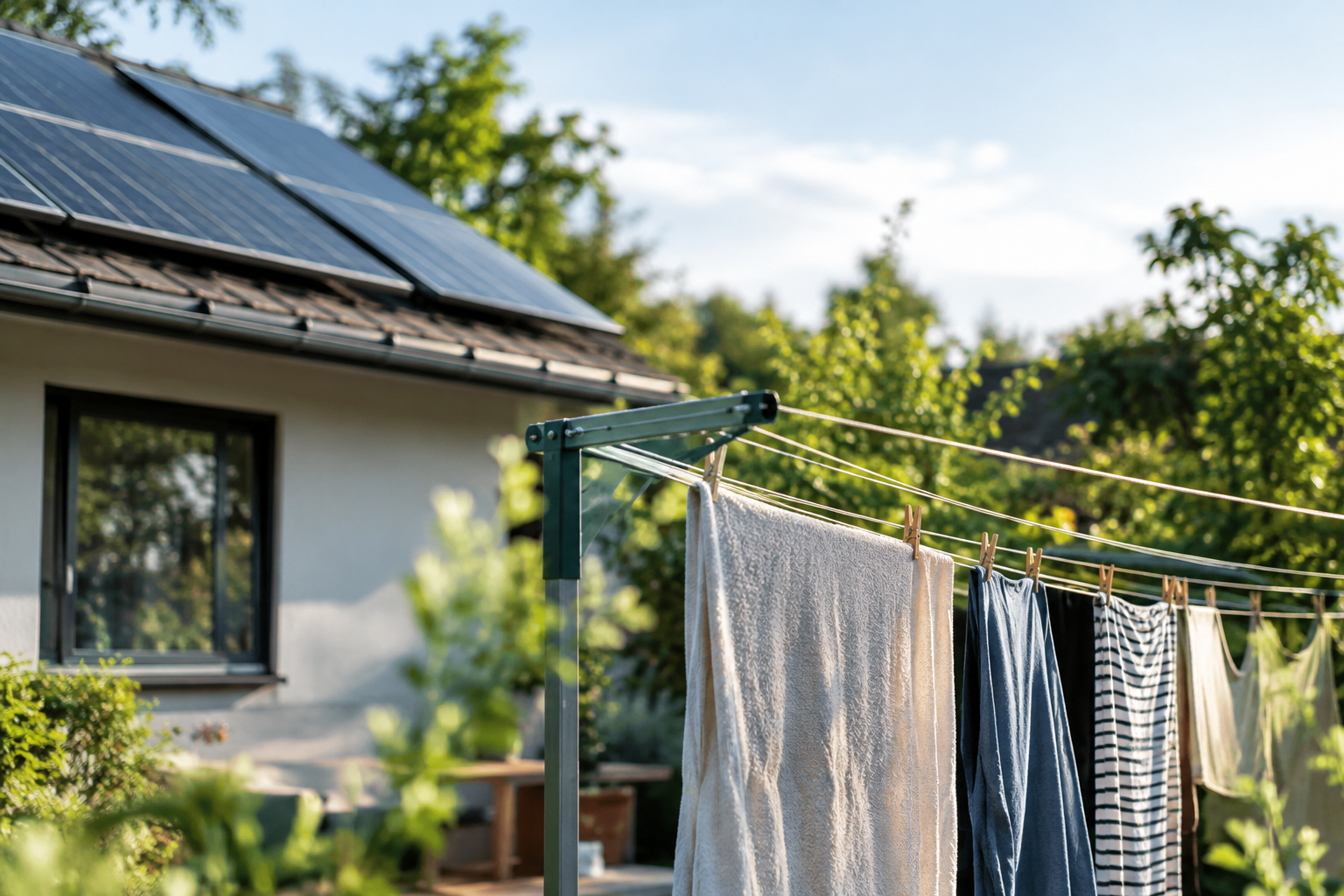
Iowa HOA Solar Panel and Clothesline Rules: What Your Board Can and Cannot Restrict
Iowa does not have a state statute that limits how your homeowner association can regulate solar panels, clotheslines, or other energy devices on private property. Unlike 29 states that have adopted solar rights legislation, Iowa leaves this decision to individual associations and their governing documents. Your board's authority to approve or deny solar installations comes from your declaration of covenants and architectural review procedures, not from state law.
This means your association has broad discretion to establish rules about solar arrays, wind turbines, drying racks, and similar equipment. However, that discretion is not unlimited. Iowa courts apply common law property principles to HOA disputes, and the Iowa Attorney General's office can investigate consumer fraud complaints if your board misrepresents its authority or fails to follow its own procedures.
What Your Governing Documents Control
Your declaration and architectural guidelines determine whether homeowners can install solar panels, where they can place them, and what approval process they must follow. Review your covenants for language about exterior modifications, roof attachments, and visible equipment. Many Iowa associations drafted their governing documents before residential solar became affordable, so your covenants may not address solar installations explicitly.
If your documents are silent on solar, you still have authority to regulate appearance and structural safety. You can require homeowners to submit an application that shows panel dimensions, mounting details, and electrical plans. You can mandate that panels sit flush with the roof plane rather than on tilted racks. You can prohibit ground mounted arrays in front yards. What you cannot do is ban solar arbitrarily if your covenants allow other roof mounted equipment like satellite dishes or vents.
A typical architectural review clause might state that no exterior alteration may be made without written approval from the board or an architectural committee. That language covers solar panels. Your board should adopt a written solar policy that defines what you will approve, what information you need from the homeowner, and how long the review will take. A 30 day review window is standard. A 90 day delay without explanation could expose your board to a claim that you are acting in bad faith.
Energy Costs and Member Demand in Iowa
Iowa ranks in the top five states for wind energy production, but residential solar adoption lags behind states with statutory solar rights protections. According to the U.S. Energy Information Administration, Iowa's average residential electricity rate was 14.2 cents per kilowatt hour in 2024, slightly above the national average. As energy prices climb, more homeowners ask their boards to approve solar installations to lock in lower costs.
The Cedar Rapids area saw a 22 percent increase in residential solar permit applications between 2023 and 2024, driven by federal tax credits and rising utility rates. Associations in Johnson County and Linn County report receiving multiple solar requests each year. Boards that deny every application without a documented reason face member frustration and potential legal challenges, even without a state solar rights law.
Your board should anticipate that solar requests will continue. Consider whether a blanket prohibition serves your community's interest or whether a policy that balances aesthetics with energy savings makes more sense. If your priority is preserving a uniform roofline, you can require black panels and hidden conduit. If your concern is structural integrity, you can require a licensed engineer to certify the roof can support the load.
Clotheslines and Energy Saving Devices
Iowa also has no state law that protects a homeowner's right to dry laundry outdoors. Your association can prohibit clotheslines, drying racks, and retractable lines if your covenants give you that authority. However, as with solar panels, an outright ban may conflict with member priorities around sustainability and cost reduction.
Some Iowa associations allow retractable clotheslines in rear yards only, with the requirement that lines be removed when not in use. Others permit umbrella style drying racks that fold down. A few associations prohibit all outdoor drying. Your policy should match the tone and restrictions already present in your covenants. If your documents allow children's play equipment and storage sheds in rear yards, a ban on clotheslines may seem inconsistent.
Document your reasoning. If you deny a clothesline request, explain in writing what provision of your covenants supports the denial. If a homeowner challenges the decision, a court will review whether your board followed its own rules and acted reasonably. Iowa courts apply a business judgment standard to board decisions, meaning they will defer to your judgment unless the homeowner can show you acted arbitrarily or in bad faith.
Federal Preemption: Satellite Dishes and Antennas
While Iowa has no state solar law, federal law does restrict your board's authority over certain devices. The Federal Communications Commission's Over the Air Reception Devices rule, codified at 47 CFR 1.4000, prohibits HOAs from banning satellite dishes smaller than one meter in diameter and television antennas. You can regulate placement to some extent, but you cannot force a homeowner to install a dish in a location where it cannot receive a signal.
This federal rule does not cover solar panels or clotheslines. However, it shows that blanket bans on energy saving or communication devices face legal limits. If federal law preempts your authority over satellite dishes, your board should consider whether a total ban on solar makes sense as a policy matter, even if Iowa law allows it.
What You Should Do Now
Pull your declaration, bylaws, and architectural guidelines. Search for language about exterior modifications, roof alterations, and visible equipment. If your documents are silent on solar and clotheslines, your board has authority to create rules, but those rules must be consistent with the general standards already in your covenants.
Draft a written solar policy that defines what you will approve, what documentation you need, and how you will evaluate aesthetic impact. Specify whether you will allow roof mounted panels only or also permit ground mounted arrays in rear yards. State your timeline for review. Circulate the draft policy to your membership for comment before adopting it. Consult your attorney for your specific situation to confirm that your policy aligns with your governing documents and Iowa common law.
If you receive a solar or clothesline request, respond in writing within 30 days. If you deny the request, cite the specific covenant provision that supports your decision. If you approve the request, document any conditions such as color, placement, or removal obligations. Keep a record of every application and every board decision.
How Manorway Helps You Manage Energy Device Requests
Manorway's AI assisted platform stores your governing documents, tracks architectural review deadlines, and maintains a record of every solar or clothesline application your board receives. When a homeowner submits a request, you can log it in the system, assign it to your architectural committee, and set a reminder for your 30 day response deadline. The platform generates a decision letter that cites the relevant covenant provision and explains your reasoning.
You can also use Manorway to draft and store your solar policy. Upload your declaration, create a policy template, and share it with your board for review. Once approved, the policy lives in your document library where every member can access it. When energy costs rise and solar requests increase, your board will have a consistent process that protects both homeowner interests and community standards.
Ready to modernize your HOA management?
Learn how Manorway can help your community operate more efficiently.
Get Started Today