Kansas HOA EV Charging Law and Owner Installation Rights
Kansas has no state law that guarantees homeowners the right to install electric vehicle chargers in HOA communities. Your association's governing documents control whether you can install a charging station, where it can go, and who pays for it.
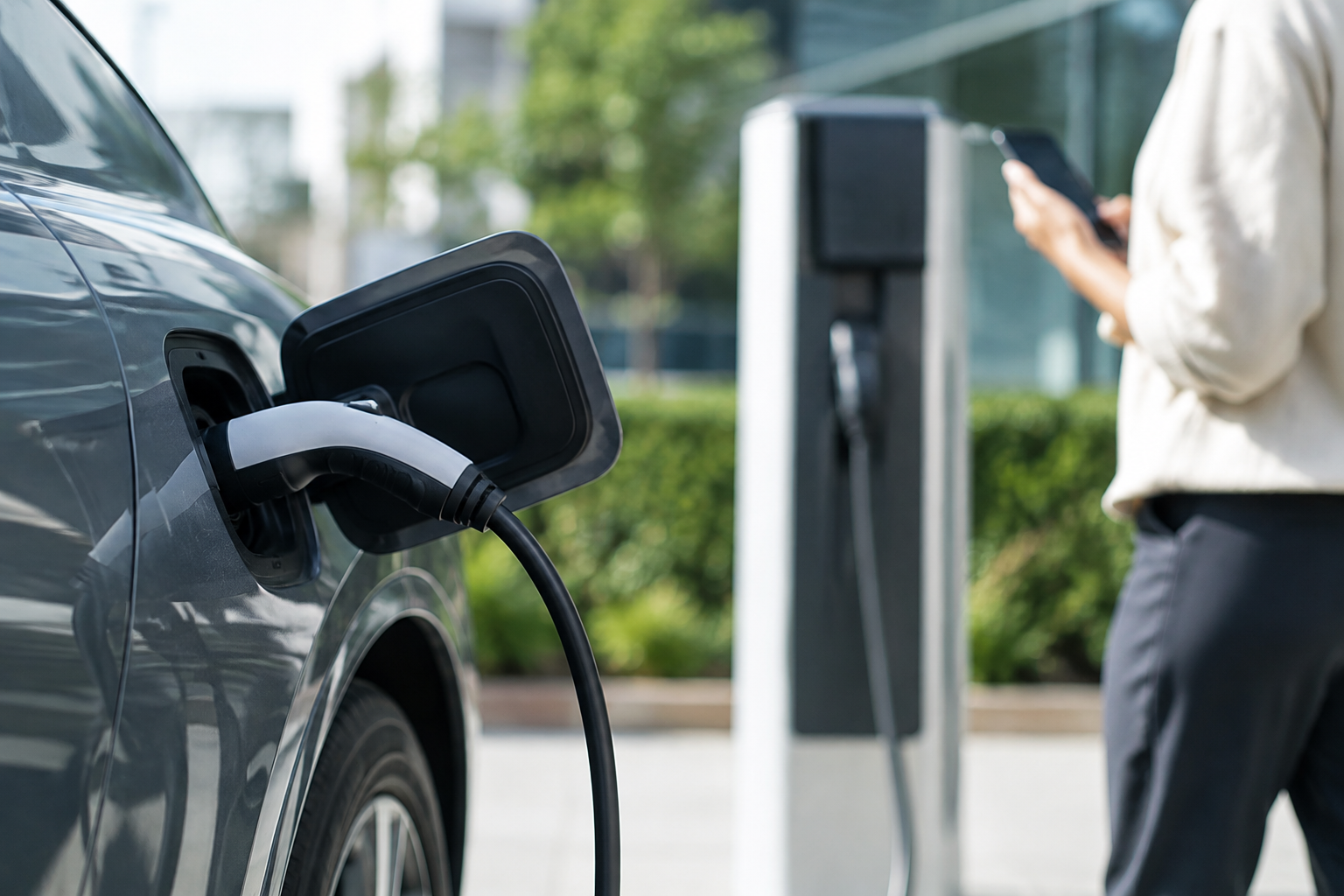
Kansas HOA EV Charging Law and Owner Installation Rights
Kansas has no state statute that grants homeowners in HOA or condo communities the right to install electric vehicle charging equipment. Unlike states such as California or Florida, which enacted laws requiring associations to permit EV charger installations under specific conditions, Kansas leaves these decisions entirely to your association's governing documents and board discretion. The Kansas Attorney General's office oversees consumer protection matters but does not regulate HOA charging station disputes.
Because Kansas law does not mandate EV charger access, your board has wide authority to approve or deny owner installation requests. This flexibility allows your association to craft rules that balance individual owner needs with community aesthetics, electrical capacity, and cost allocation. However, the lack of a state law also creates uncertainty for owners who want to install chargers and boards who must respond to those requests.
What Your Governing Documents Say
Your association's declaration of covenants, bylaws, and architectural guidelines control whether an owner may install an EV charger. Most Kansas HOA documents require board approval before any modification to common elements or exterior structures. A charging station that draws power from a common electrical panel or involves visible conduit on a shared wall typically requires a vote or architectural review.
Review your declaration for language about alterations, utility modifications, or parking lot improvements. If your documents are silent on EV chargers specifically, the board applies general alteration rules. Some Kansas associations drafted new policies after 2020 as EV ownership increased in the state's metro areas.
In Overland Park, the Prairie Ridge Homeowners Association adopted an EV charger policy in 2022 after three owners requested installations in a shared garage. The policy required owners to submit electrical load calculations, use a licensed electrician, and sign a maintenance agreement holding the owner liable for future repairs. The board approved all three requests under the new policy, and no disputes arose. This example shows how a proactive policy can address charging requests before conflicts develop.
Cost Allocation and Electrical Capacity
When an owner installs an EV charger in a Kansas HOA, the cost question has two parts. First, who pays for the equipment and installation? Second, who pays for the electricity consumed by the charger?
Most Kansas associations require the requesting owner to pay all upfront costs, including the charger, wiring, electrical panel upgrades, and labor. If the installation requires a permit from the city or county, the owner pays permit fees. If the shared electrical system needs a panel upgrade to handle the additional load, the cost allocation becomes more complex. Some boards assess the upgrade cost only to the requesting owner, while others spread the cost across all units if the upgrade benefits the entire building.
Electricity metering is the second cost issue. If your association has a master meter and pays a single electric bill, you must decide how to track and bill the individual owner for charging usage. Options include installing a sub meter on the charging circuit, estimating monthly usage based on the charger's rated capacity, or requiring the owner to install a separate utility account if the local provider allows it. Kansas does not require associations to offer any specific metering solution, so the board chooses the method.
A clear policy should state that the owner pays for all installation costs, ongoing electricity costs, and future maintenance or repair of the charging equipment. Without this clarity, disputes arise when the next owner sells the unit or when electrical issues occur.
Architectural Review and Safety Standards
Your board may impose reasonable architectural standards on EV charger installations to protect the community's appearance and safety. Kansas law does not limit these standards, so the board's authority flows from your governing documents and fiduciary duty to preserve property values.
Common architectural requirements include concealing conduit inside walls or painting it to match the building exterior, limiting charger placement to designated parking spaces, and requiring professional installation by a licensed electrician. Your board may also require the owner to provide proof of insurance covering damage caused by the charging equipment.
Safety considerations matter in Kansas because extreme weather events can stress electrical systems. The state experienced severe ice storms in February 2021 that knocked out power to over 100,000 customers, and summer heat waves regularly push electrical demand to peak levels. An improperly installed charger can overload a shared panel, trip breakers, or create fire hazards. Your policy should require that all installations meet the National Electrical Code and any local amendments adopted by your city or county.
If your association's electrical system cannot support additional EV chargers without a major panel upgrade, the board may deny requests until the upgrade occurs. This is a reasonable decision if supported by an electrical engineer's report showing insufficient capacity.
What Kansas Boards Should Do Now
If your association has not yet received an EV charger request, draft a policy before the first request arrives. Waiting until an owner submits a request creates pressure to make a quick decision without full information. A proactive policy gives the board time to consult an attorney, obtain electrical assessments, and consider cost allocation options.
Your policy should cover these points: the application process for charger installation requests, the information an owner must submit with the application, the architectural standards the installation must meet, who pays for equipment and electricity, insurance and liability requirements, and the board's timeline for approving or denying requests.
If your association already received a charger request and denied it, review the denial decision. Without a state law requiring approval, your board's decision must rest on a legitimate community interest such as electrical capacity limits, aesthetic concerns, or cost allocation fairness. A blanket ban on all EV chargers is harder to defend than a policy that permits chargers under reasonable conditions. Consult your attorney for your specific situation.
Kansas courts have not yet published opinions on HOA EV charger disputes, but fiduciary duty principles apply. Your board must act in good faith, avoid arbitrary decisions, and follow the procedures in your governing documents. A decision that treats all owners consistently and protects the association's financial interests is more defensible than a decision that appears to favor certain owners or ignores legitimate safety concerns.
Federal and Local Considerations
While Kansas has no state EV charger law, federal and local rules may affect your association. The Americans with Disabilities Act requires reasonable accommodations for residents with disabilities. If an owner needs an EV charger to operate a wheelchair accessible vehicle, the board must consider the request as an accommodation under federal law. Denying the request solely because the association's policy prohibits chargers may violate the ADA.
Local building codes in Kansas cities may impose additional requirements. Wichita, Overland Park, Kansas City, and Topeka each have electrical code amendments that affect EV charger installations. Your policy should require owners to obtain any necessary permits and provide the board with copies of inspection approvals before the charger is energized.
Some Kansas utility providers offer rebates or incentive programs for EV charger installations. Evergy, the state's largest electric utility, has offered commercial and residential EV programs in recent years. Your board may want to inform owners of these programs when drafting your policy, though the association is not required to apply for incentives on behalf of individual owners.
How Manorway Supports Kansas Boards
Managing EV charger requests requires documentation, timeline tracking, and clear communication with owners. Manorway's AI assisted platform helps your board store architectural policies, track review deadlines, and maintain records of approval decisions. When an owner submits a charger request, you can upload the application, assign it to the architectural committee, set a response deadline, and document the board's decision in one place.
Because Kansas law does not provide a statutory framework for EV chargers, your governing documents and board resolutions are the only authority. Manorway helps you organize these documents so the board can reference the correct policy language when responding to owner requests. You can also generate notices to owners explaining the charger approval process and create an audit trail that shows the board followed consistent procedures.
When your board adopts a new EV charger policy, Manorway can track the effective date, store the policy text, and remind the board to review the policy annually as EV technology and owner demand evolve. This documentation protects the board in disputes and helps future directors understand the rationale behind policy decisions.
Ready to modernize your HOA management?
Learn how Manorway can help your community operate more efficiently.
Get Started Today