Minnesota HOA EV Charging Law: Owner Install Rights and Board Authority
Minnesota does not have a state law requiring HOAs to permit electric vehicle charger installations. Your association's governing documents control whether owners can install charging equipment, where it can be placed, and what approval process applies.
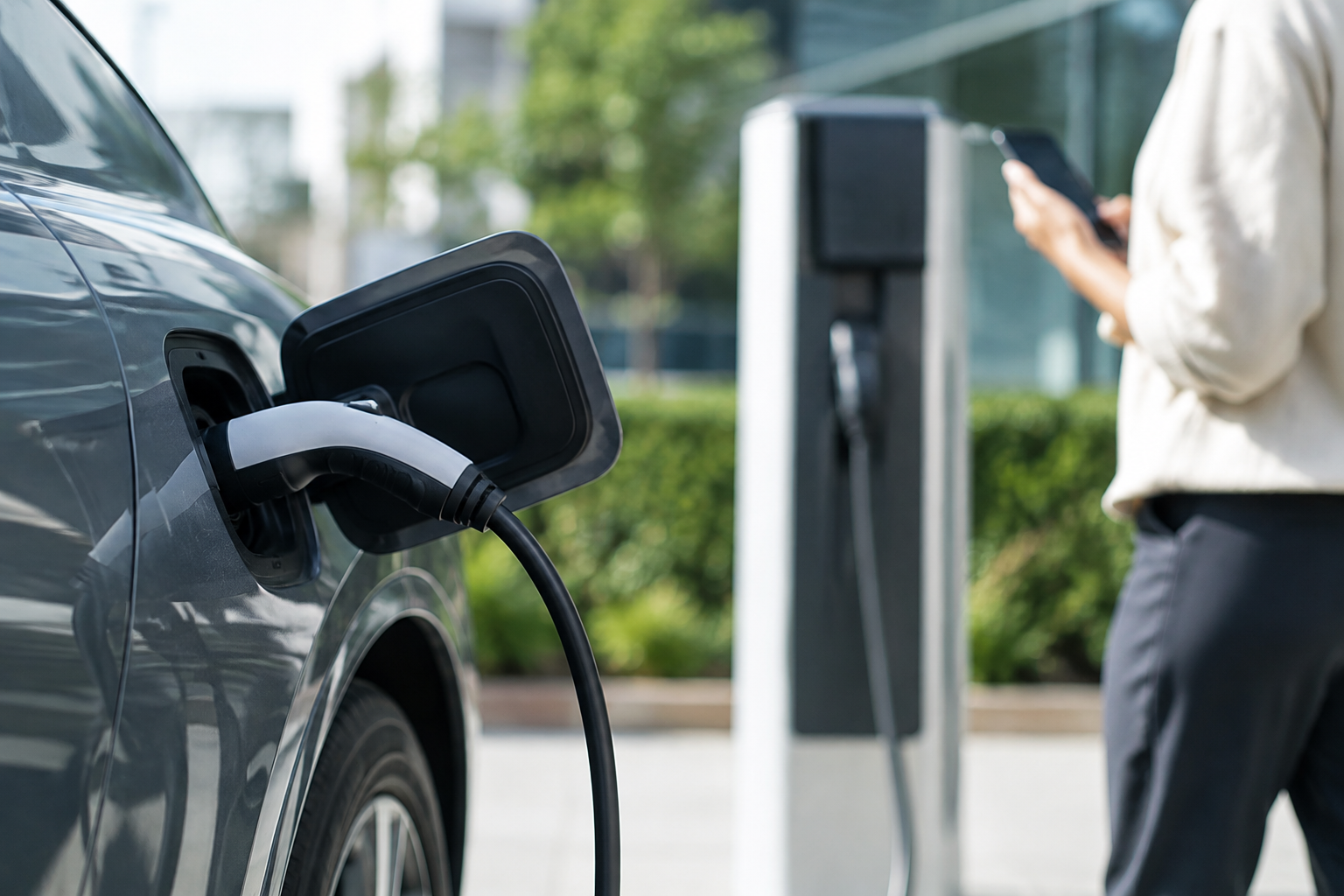
Minnesota HOA EV Charging Law: Owner Install Rights and Board Authority
Minnesota does not have a state statute requiring homeowner associations to permit electric vehicle charger installations on common property or limited common elements. Your association's governing documents control whether owners can install charging equipment, where it can be placed, and what approval process the board applies. The Minnesota Attorney General's office oversees HOA compliance with fiduciary duties and reasonableness standards, but no specific EV charging mandate exists at the state level.
What Minnesota Law Does Not Require
Unlike California, Colorado, Florida, and Virginia, Minnesota has not enacted legislation that creates a statutory right for condo or HOA owners to install EV charging stations. This absence of state law means your board has broad authority to regulate or prohibit charging installations through your declaration of covenants, bylaws, and architectural standards. Your board must exercise that authority reasonably and in accordance with your existing rules, but it is not compelled by statute to approve any specific installation request.
The Minnesota Common Interest Ownership Act governs condominiums and provides general guidance on unit owner alterations and common element use, but it does not address EV charging specifically. Your board's authority to approve or deny installation requests derives from the architectural control provisions in your governing documents. If your declaration requires board approval for exterior modifications or installations that affect common property, that requirement applies to EV chargers the same way it applies to satellite dishes, storm doors, or landscaping changes.
Governing Document Authority
Your declaration and bylaws define what owners can install and where. Most Minnesota HOAs and condos include covenants that require written board approval before an owner installs equipment that penetrates exterior walls, draws power from common area circuits, or occupies parking spaces designated as limited common elements. If your documents include a blanket prohibition on modifications without consent, that prohibition covers EV chargers unless your board votes to create an exception.
Review your architectural standards and use restrictions. Some associations have updated their rules in recent years to address EV charging explicitly. A clear policy benefits both boards and owners by reducing ambiguity about where chargers can be installed, what electrical capacity is available, and who pays for infrastructure upgrades. If your documents are silent on EV charging, your board should adopt a written policy that addresses installation standards, liability, insurance requirements, and cost allocation.
Twin Cities Market Context and Installation Trends
Minnesota's EV adoption rate has grown steadily since 2020, with over 30,000 registered electric vehicles in the state as of early 2024. The Twin Cities metro area accounts for the majority of EV registrations, and demand for home charging infrastructure has increased in suburban HOAs and downtown condominiums. Minnesota's cold winter climate makes home charging especially valuable because EV range decreases in subzero temperatures, and owners prefer to charge overnight in heated garages rather than rely on public stations.
A concrete example: the Linden Hills Townhome Association in Minneapolis received five EV charger installation requests between 2022 and 2024. The association's declaration required board approval for any electrical work affecting common areas, but it did not address EV charging specifically. The board initially denied all requests because it lacked a policy and worried about liability. After consulting an attorney, the board adopted a policy in mid 2024 that permits Level 2 charger installation in private garages, requires owners to use a licensed electrician, mandates proof of insurance, and holds owners responsible for any damage to common electrical systems. The policy includes a standard application form and a 30 day review period. Since adoption, the board has approved four installations without dispute.
Another example: the Cedar Lake Condominiums in St. Louis Park faced a different challenge. The building's electrical panel could not support multiple Level 2 chargers without a costly upgrade to the main service. When three unit owners requested permission to install chargers in the underground parking garage, the board commissioned an electrical capacity study that revealed a $75,000 upgrade would be necessary to support more than two simultaneous charging sessions. The board approved two installations on a first come, first served basis and placed the other owner on a waiting list pending a special assessment vote to fund the panel upgrade. The board documented its decision in meeting minutes and explained the electrical capacity constraint in writing to all three applicants.
What Boards Should Consider Before Approving Installations
Your board should evaluate several practical and legal factors when an owner requests permission to install an EV charger. First, determine whether your building's electrical system can support additional load. Older condominiums and townhome communities may have panels that cannot handle multiple Level 2 chargers without costly upgrades. Commission an electrical study if you are uncertain about capacity. The cost of the study is a reasonable association expense because it informs long term capital planning.
Second, assess liability and insurance. An owner who installs a charger in a private garage assumes responsibility for damage caused by faulty equipment or improper installation, but the association may face claims if a fire or electrical failure affects common property. Require owners to submit proof of insurance and use a licensed electrician. Your association's master policy may or may not cover damage caused by owner installed equipment, so consult your insurance agent.
Third, establish cost allocation rules. If an owner's charger draws power from a common area circuit, the owner should reimburse the association for electricity costs. Install a submeter or require the owner to pay a flat monthly fee based on estimated usage. Document the reimbursement arrangement in writing before approving the installation.
Fourth, adopt installation standards. Require chargers to meet National Electrical Code requirements, specify acceptable equipment brands or certifications, and mandate that all wiring remain concealed or protected. If your association has architectural guidelines that govern exterior modifications, apply the same standards to charging equipment.
Drafting an EV Charging Policy
A written policy reduces confusion and provides a consistent framework for evaluating installation requests. Your policy should address the following elements: application procedure, required documentation, electrical standards, insurance requirements, cost allocation, and approval timeline. Include a standard application form that asks for the proposed location, equipment specifications, electrician credentials, and proof of insurance.
Define where chargers may be installed. Most associations permit installation in private garages or on driveways that serve a single unit but prohibit installation in common parking lots or guest spaces. Clarify whether owners may install chargers on limited common elements such as assigned parking spaces in shared garages. If your declaration grants exclusive use of certain parking spaces to individual units, those spaces may be treated as limited common elements where the owner has a right to install equipment subject to board approval.
Set a reasonable review period. Many Minnesota HOAs allow 30 days for the board to approve or deny an application, with automatic approval if the board does not respond within that window. Avoid indefinite review periods because they create frustration and potential legal challenges. If your board needs more time to evaluate electrical capacity or consult an engineer, notify the applicant in writing and explain the reason for the delay.
Include a maintenance and removal clause. Require owners to maintain their chargers in good working order and remove the equipment if they sell the unit unless the buyer agrees to assume responsibility. Specify that the owner is liable for any damage caused by the charger and must restore common property to its original condition if the equipment is removed.
Attorney General Oversight and Reasonableness Standard
The Minnesota Attorney General's office has authority to investigate complaints about HOA governance and fiduciary duty breaches. Although the office has not issued formal guidance on EV charging disputes, general principles of reasonableness apply. Your board cannot adopt arbitrary rules that serve no legitimate association interest, and it cannot discriminate among owners by approving some installation requests while denying others without a clear, documented reason.
If your board denies an installation request, provide a written explanation that cites the specific governing document provision or practical constraint that supports the decision. Examples of legitimate reasons include insufficient electrical capacity, safety concerns, or conflict with existing architectural standards. A blanket refusal to permit any EV charger installation may be difficult to justify if other similar modifications are routinely approved and if the refusal serves no clear association interest.
Federal Fair Housing Considerations
Although EV ownership is not a protected class under the Fair Housing Act, disability accommodation principles may apply in limited circumstances. If a unit owner with a disability requires an EV for medical transportation and requests permission to install a charger as a reasonable accommodation, your board must engage in an interactive process to evaluate the request. The owner must demonstrate that the accommodation is necessary because of the disability, and your board may deny the request only if it imposes an undue financial or administrative burden on the association. Consult your attorney if you receive an accommodation request related to EV charging.
Special Assessments and Infrastructure Upgrades
If multiple owners request charging installations and your building's electrical system requires an upgrade, your board may need to levy a special assessment to fund the work. Minnesota law allows associations to impose special assessments for capital improvements, subject to voting requirements in your governing documents. Most declarations require a majority or supermajority vote of unit owners to approve assessments above a certain threshold.
Before calling a vote, obtain bids from licensed electrical contractors and present owners with a detailed cost estimate and timeline. Explain how the upgrade will benefit the association by increasing property values and accommodating future EV adoption. If only a few owners currently drive electric vehicles, consider a tiered assessment in which owners who install chargers pay a larger share of the upgrade cost than owners who do not. Document the assessment decision in meeting minutes and provide written notice to all owners at least 30 days before the vote.
What Owners Should Do Now
If you are an owner who wants to install an EV charger, start by reviewing your association's governing documents. Look for provisions that address exterior modifications, architectural approval, and use of common property. Check whether your association has adopted an EV charging policy. If no policy exists, request that the board consider drafting one.
Submit a written installation request that includes the proposed charger location, equipment specifications, and contact information for the electrician you plan to hire. Attach photos or a site plan that shows where the charger will be mounted and where electrical conduit will run. Offer to meet with the board to answer questions and address concerns. Be prepared to provide proof of insurance and agree to reasonable cost allocation terms.
If your board denies your request, ask for a written explanation. Review the denial to determine whether it is based on a legitimate governing document provision or a practical constraint. If you believe the denial is arbitrary or inconsistent with how the board has treated similar requests, consult your attorney for your specific situation.
How Manorway Helps Boards Manage EV Charging Requests
Manorway's AI assisted platform helps boards track installation requests, store governing documents, and maintain records of approval decisions. When an owner submits an EV charger application, you can upload the request, assign it to a committee, set a review deadline, and document the board's decision in one system. The platform generates notices, stores contractor bids and insurance certificates, and creates an audit trail that protects the board if a dispute arises later.
You can also use Manorway to draft and store your EV charging policy, share it with owners, and track which units have approved installations. When your board needs to evaluate electrical capacity or coordinate a special assessment for infrastructure upgrades, the platform helps you organize bids, schedule meetings, and record votes. Consult your attorney for your specific situation, and use Manorway to manage the process once you know what your documents require.
Ready to modernize your HOA management?
Learn how Manorway can help your community operate more efficiently.
Get Started Today