Minnesota HOA Foreclosure Law: When Associations Can Foreclose on Unpaid Dues
Minnesota does not have a comprehensive state statute governing HOA foreclosure procedures the way some states do. Your association's authority to foreclose on unpaid dues flows from common law lien rights, your declaration of covenants, and general foreclosure statutes that apply to real property liens. The Minnesota Attorney General's office oversees HOA compliance with consumer protection standards, and county district courts have jurisdiction over foreclosure actions.
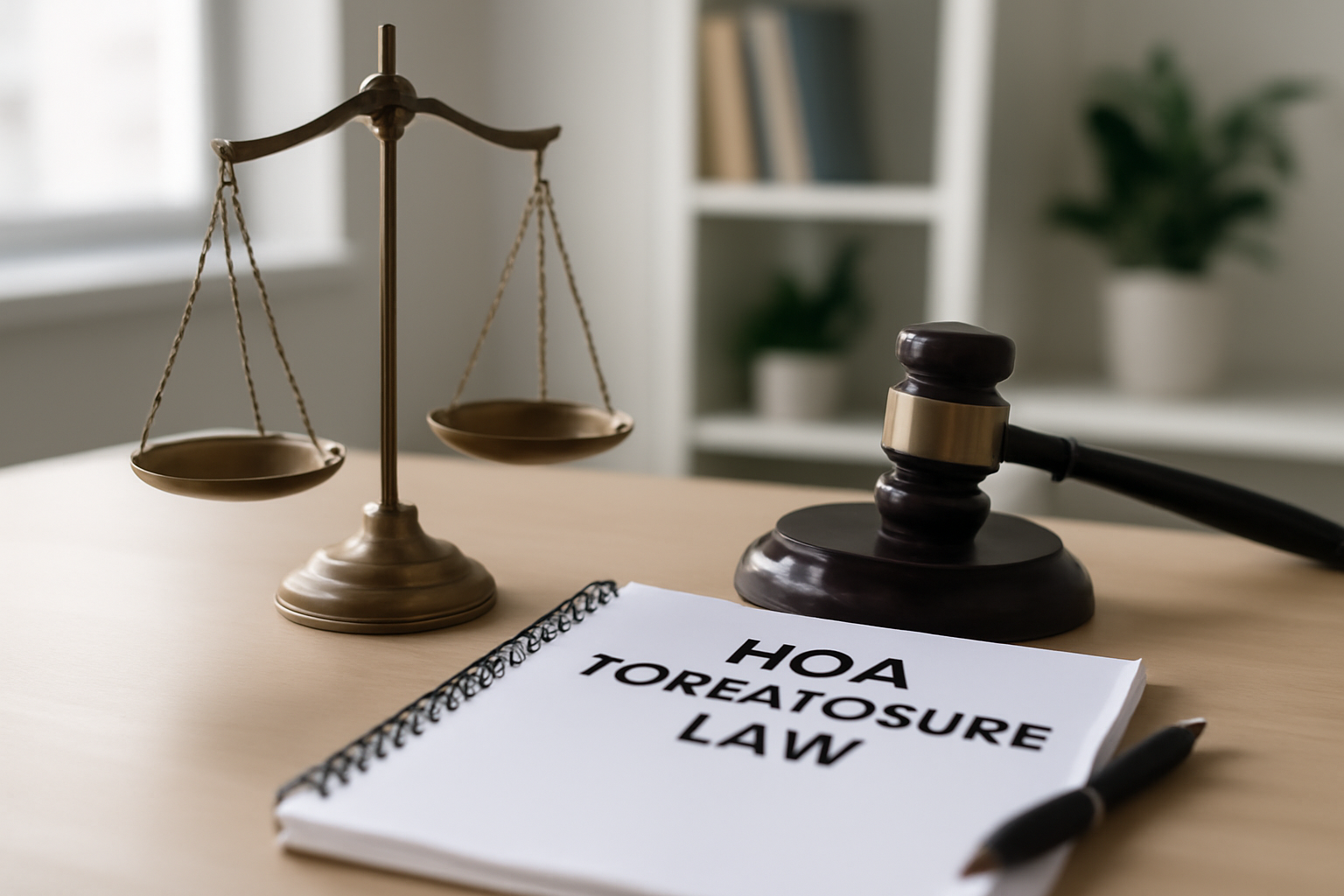
Minnesota HOA Foreclosure Law: When Associations Can Foreclose on Unpaid Dues
Minnesota does not have a comprehensive state statute governing HOA foreclosure procedures the way some states do. Your association's authority to foreclose on unpaid dues flows from common law lien rights, your declaration of covenants, and general foreclosure statutes that apply to real property liens. The Minnesota Attorney General's office oversees HOA compliance with consumer protection standards, and county district courts have jurisdiction over foreclosure actions.
How Minnesota HOA Liens Work
When an owner fails to pay assessments, your association typically has the right to record a lien against the property. Your declaration of covenants should specify that assessments constitute a lien on the unit or lot from the date the assessment becomes due. Minnesota common law recognizes these contractual liens as enforceable claims against real property.
Your lien does not automatically give you the right to foreclose. You must follow proper notice procedures and wait a reasonable period before initiating foreclosure proceedings. Most Minnesota associations send a demand letter, allow 30 to 60 days for payment, then record the lien with the county recorder. Once the lien is recorded, you can proceed to foreclosure if the debt remains unpaid.
Minnesota uses a judicial foreclosure process for most real property liens. Your association must file a lawsuit in the county district court where the property is located, serve the owner with a summons and complaint, and obtain a court judgment authorizing foreclosure. This process typically takes six to twelve months from filing to sale.
Priority Position and Mortgage Holder Rights
Minnesota does not grant HOA assessment liens automatic super priority status over first mortgages. Your lien's priority depends on the date it was recorded. If a mortgage was recorded before your lien, the mortgage holder's claim is senior to yours. When you foreclose on a junior lien, the senior mortgage survives the foreclosure sale. The buyer at your foreclosure auction takes the property subject to the existing mortgage.
This priority structure creates a practical limit on HOA foreclosures. If the property has a large mortgage balance and little equity, foreclosing will not yield enough proceeds to satisfy your lien. The winning bidder must either assume the mortgage payments or face foreclosure by the lender. Because of this dynamic, many Minnesota associations pursue foreclosure only when the property has substantial equity or when the mortgage balance is low.
Some associations negotiate payment plans or seek a judgment lien instead of foreclosing. A judgment lien does not force a sale, but it attaches to the property and must be paid when the owner refinances or sells. This approach is less expensive than foreclosure and preserves the association's claim without the risk of taking title to an underwater property.
Notice Requirements and Owner Rights
Minnesota law requires that you provide clear notice before filing a foreclosure action. Your declaration should specify the notice procedure, but at a minimum you must send written notice of the delinquency to the owner's last known address. The notice should state the amount due, the date by which payment must be made, and the consequence of nonpayment.
Once you file a foreclosure lawsuit, the owner has the right to respond and contest the claim. The owner can raise defenses such as payment, miscalculation of assessments, or failure to follow the notice procedure in your governing documents. If the owner does not respond, you can seek a default judgment. If the owner does respond, the court will hold a hearing and determine whether your lien is valid and whether foreclosure is appropriate.
After the court grants a judgment, Minnesota law provides a redemption period during which the owner can reclaim the property by paying the full judgment amount plus interest and costs. For most residential properties, the redemption period is six months if the mortgage debt exceeds two thirds of the property's original value, or twelve months if it does not. Your association cannot take possession or sell the property during the redemption period.
Real Example from Hennepin County
A concrete case illustrates how these rules work in practice. In 2019, the Edina Park Townhome Association in Hennepin County filed a foreclosure action against a unit owner who owed $8,400 in unpaid assessments and late fees. The association had recorded a lien in 2018 after the owner failed to respond to multiple demand letters. The unit was subject to a first mortgage with a balance of approximately $175,000, and the property was valued at $210,000.
The association obtained a default judgment in district court after the owner did not contest the claim. The court ordered a foreclosure sale with a six month redemption period. Before the redemption period expired, the owner sold the unit to a third party and paid the association's lien from the sale proceeds. The association recovered the full assessment debt plus legal fees and interest, totaling approximately $14,000. The case took eleven months from the date the lien was recorded to the date the association received payment.
This example shows that foreclosure can be effective when the property has equity. The association's willingness to pursue legal action motivated the owner to resolve the debt before losing the property. However, the process was lengthy and required the board to advance legal costs with no guarantee of recovery.
When Foreclosure Makes Financial Sense
Your board should evaluate whether foreclosure is cost effective before filing. Consider the total debt owed, the property's market value, the mortgage balance, and the cost of legal fees. If the property is underwater or the debt is small relative to legal costs, foreclosure may not be the best option.
Typical legal fees for a foreclosure action in Minnesota range from $3,000 to $7,000, depending on whether the owner contests the case. You will also incur costs for title searches, court filing fees, and service of process. If the property sells at auction for less than the total debt plus costs, your association absorbs the shortfall.
Some boards set a threshold below which they will not pursue foreclosure. For example, your board might decide not to foreclose unless the debt exceeds $5,000 and the property has at least $20,000 in equity above the senior mortgage. This policy balances the need to collect assessments with the practical limits of the foreclosure remedy.
Alternatives to Foreclosure
Before initiating foreclosure, explore other collection methods. You can offer a payment plan that allows the owner to pay the debt in monthly installments over six to twelve months. Many owners will comply with a structured plan even if they cannot pay a lump sum.
You can also obtain a judgment without foreclosing. A judgment lien attaches to the property and earns interest at the legal rate. When the owner eventually sells or refinances, your association will be paid from the proceeds. This approach avoids the cost and delay of foreclosure while preserving your claim.
If the owner is experiencing financial hardship, you might negotiate a settlement for less than the full amount. A partial payment that covers your legal costs and most of the debt may be better than spending thousands on a contested foreclosure with uncertain results.
What Your Board Should Do Now
Review your declaration and bylaws to confirm that they grant the association a lien right for unpaid assessments. Verify that your documents specify the notice procedure and the timeline for recording a lien. If your documents are silent or unclear, consult your attorney about amending them to include detailed collection and lien provisions.
Develop a written collections policy that outlines the steps your board will take when an owner becomes delinquent. The policy should specify when you will send demand letters, when you will assess late fees, when you will record a lien, and under what circumstances you will file a foreclosure action. A clear policy ensures consistent enforcement and reduces the risk of claims that the board treated owners unequally.
Create a financial threshold for foreclosure. Document the criteria your board will use to decide whether foreclosure is appropriate, such as minimum debt amount, property equity, and likelihood of recovery. This threshold protects the association from pursuing costly legal actions with little chance of success.
Consult your attorney for your specific situation before filing any foreclosure action. Minnesota foreclosure law includes technical requirements for pleadings, service, and redemption rights. An error in procedure can delay the case or result in dismissal. Your attorney can also advise on whether foreclosure is the best remedy given the specific facts of the delinquency.
How Manorway Helps Track Delinquencies and Legal Deadlines
Manorway's AI assisted platform helps your board manage the collections process from initial delinquency through lien recording and legal action. You can track outstanding balances, generate demand letters, and set reminders for key deadlines. When you document each step in the collections timeline, you create an audit trail that protects the board and demonstrates compliance with your governing documents.
The platform stores copies of demand letters, lien documents, and court filings in a central location accessible to board members and your attorney. You can assign tasks for follow up actions, such as scheduling a hearing or filing a motion, and track the status of each case. When your board uses a structured system to manage delinquencies, you reduce the risk of missing deadlines and improve your recovery rate.
Manorway does not replace legal counsel. The platform assists with administrative tasks and record keeping, but your attorney makes the legal decisions and handles court filings. By organizing information and automating routine communications, Manorway frees your board to focus on policy decisions and strategy while your attorney handles the legal work.
Ready to modernize your HOA management?
Learn how Manorway can help your community operate more efficiently.
Get Started Today