Mississippi HOA Drone and Surveillance Rules: What Your Board Can and Cannot Do
Mississippi law does not establish specific rules for HOA drone operations or surveillance camera placement. Your association's authority flows from governing documents, common law trespass principles, and federal aviation regulations.
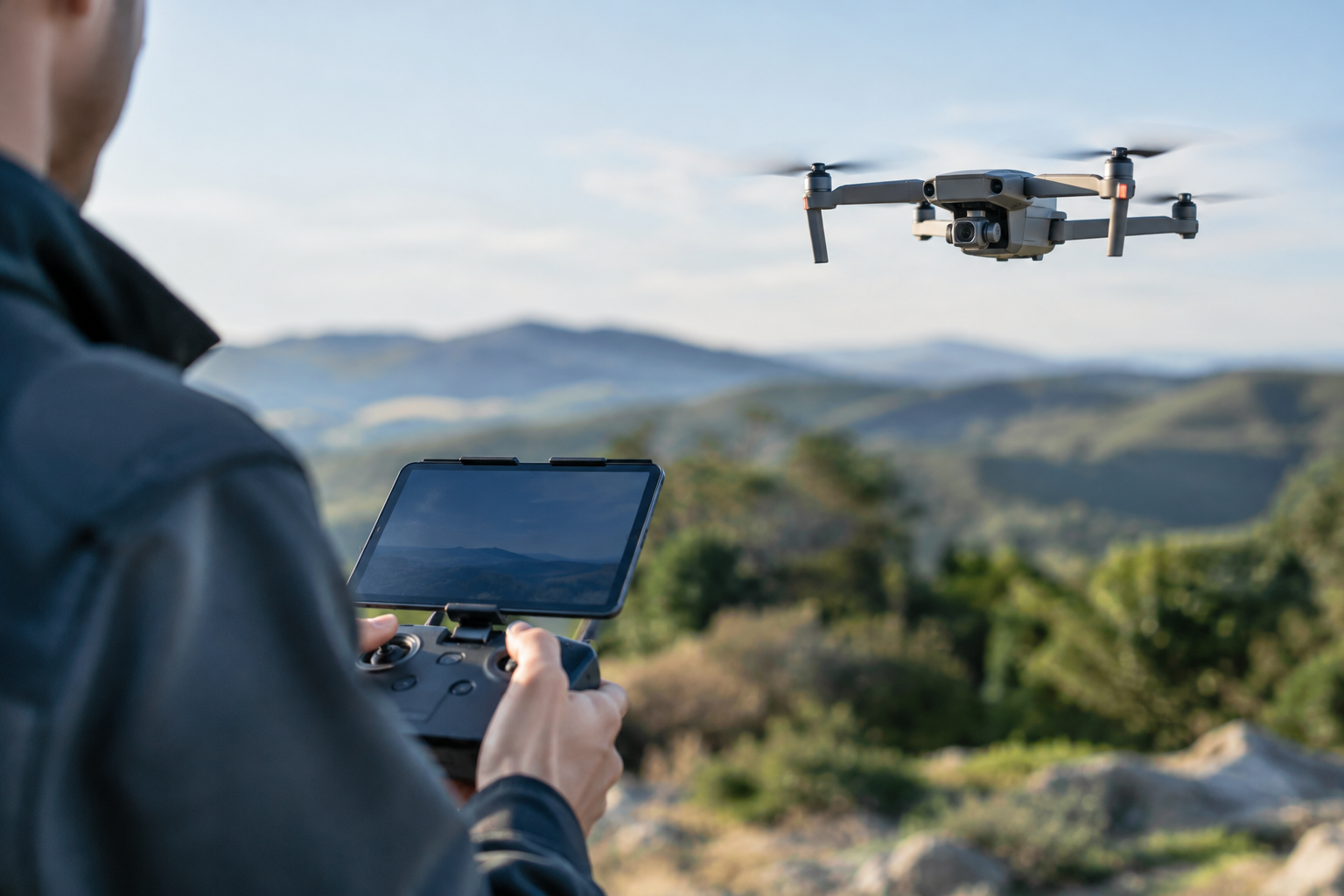
Mississippi HOA Drone and Surveillance Rules: What Your Board Can and Cannot Do
Mississippi has no state statute that regulates homeowner association use of drones or surveillance cameras on common property. Your board's authority to operate drones, install cameras, or restrict member surveillance activities comes entirely from your declaration of covenants, bylaws, and architectural guidelines. This absence of specific state law creates flexibility but also exposes your association to disputes if you do not document clear policies.
What Mississippi Law Does and Does Not Say
Because Mississippi has not enacted surveillance or drone specific legislation for HOAs, your board operates under general common law principles. Mississippi courts recognize property rights, trespass, and reasonable expectation of privacy doctrines. If your association operates a drone over member property without consent, a unit owner could file a trespass or nuisance claim. If your association installs cameras that record inside member windows, you face potential invasion of privacy claims under Mississippi tort law.
The Mississippi Attorney General's office does not issue guidance on HOA surveillance practices. No state agency regulates community association use of drones or cameras. Your compliance obligations center on federal aviation law and your own governing documents.
Federal Aviation Administration Rules Apply
All drone operations in Mississippi fall under Federal Aviation Administration regulations. If your board wants to use a drone for roof inspections, landscaping surveys, or pool monitoring, the person operating the drone must comply with FAA Part 107 rules. Those rules require:
- Registration of any drone weighing more than 0.55 pounds.
- Operation only during daylight or civil twilight with appropriate anti collision lighting.
- Maintaining visual line of sight with the drone at all times.
- Yielding right of way to manned aircraft.
- Operating below 400 feet above ground level in uncontrolled airspace.
- Obtaining a remote pilot certificate if the operation is commercial in nature.
Your association's drone inspections likely qualify as commercial operations because you are conducting them for property management purposes, not recreation. That means your board must ensure whoever flies the drone holds a valid Part 107 remote pilot certificate. The FAA imposes civil penalties up to $1,100 per violation for non compliance.
What Your Governing Documents Control
Your declaration and bylaws determine whether your board can install surveillance cameras on clubhouses, pools, fitness centers, and entrance gates. Review your covenants for language that grants the board authority to maintain security systems or protect common property. If your documents are silent, your board still has implied authority to take reasonable steps to secure common areas, but you should adopt a formal surveillance policy through a board resolution.
A policy should specify:
- Which areas will be recorded, such as parking lots, amenity entrances, and mailbox clusters.
- How long footage will be retained, typically 30 to 90 days.
- Who has access to recordings and under what conditions.
- Notice to members that surveillance is in use.
Post signs at every camera location stating that video recording is in progress. Mississippi does not require two party consent for video recording in public spaces, but transparent notice reduces member complaints and strengthens your position if footage becomes evidence in a dispute.
Member Use of Drones and Cameras
Your governing documents may also regulate member use of drones and exterior cameras. If your covenants include architectural control provisions, your board can require members to submit applications before installing doorbell cameras, motion activated floodlights with cameras, or exterior security systems. You can prohibit drones from flying over common property or impose restrictions on flight times to minimize noise.
The Reunion neighborhood in Madison County adopted architectural guidelines in 2019 that require prior approval for any exterior mounted camera. The guidelines specify that cameras cannot be aimed at neighboring lots or common areas in a way that records activity beyond the applicant's property line. When one homeowner installed a camera that captured the pool deck, the board required the owner to reposition the camera within 14 days or face a fine. The member complied, and the association avoided litigation.
If your documents do not address surveillance devices, you can amend your architectural guidelines through a board resolution if your bylaws grant the board that authority. If amendment requires a membership vote, place the item on the agenda for your next annual meeting. Consult your attorney for your specific situation to confirm the proper amendment procedure.
Privacy and Nuisance Concerns
Mississippi common law protects individuals from unreasonable intrusion into private spaces. If your board installs a camera that records inside a member's unit or if a member operates a drone that hovers outside a neighbor's bedroom window, the affected party can file a nuisance or invasion of privacy claim. Courts evaluate whether the surveillance violates a reasonable expectation of privacy.
Common areas such as parking lots, sidewalks, and pool decks do not carry a high expectation of privacy. Cameras in those locations rarely trigger successful privacy claims. Cameras aimed at patios, balconies, or windows where residents expect privacy create liability.
What You Should Do Now
Pull your declaration, bylaws, and architectural guidelines. Search for any language related to security systems, cameras, drones, or electronic devices. If your documents are silent, draft a surveillance policy that covers board operated cameras and member installed devices. Present the policy to your membership with 30 days notice before adoption.
If your board plans to use a drone for inspections, confirm that the operator holds a Part 107 remote pilot certificate and that your association's insurance policy covers drone operations. Many general liability policies exclude aviation related incidents. Contact your insurance agent and request a quote for drone liability coverage.
Create a written procedure for handling footage requests. Members may ask to review video if their car was damaged in the parking lot or if they suspect a violation occurred. Your policy should state that footage will be released only in response to a valid legal request, such as a subpoena or a law enforcement investigation, unless the board determines that disclosure serves a legitimate association purpose.
Manorway's AI assisted platform helps you track surveillance policies, store board resolutions, and document architectural approval workflows. When your board maintains a clear record of camera locations, approval decisions, and member communications, you reduce the risk of privacy disputes and create a defensible audit trail. You stay compliant without spending hours on manual documentation.
Ready to modernize your HOA management?
Learn how Manorway can help your community operate more efficiently.
Get Started Today