Montana HOA Drone and Surveillance Rules: What Privacy Law Allows
Montana has no state statute that specifically regulates HOA use of drones or surveillance cameras. Your association's authority to operate drones or install cameras flows from your governing documents, Montana common law privacy protections, and federal aviation rules.
Montana HOA Drone and Surveillance Rules: What Privacy Law Allows
Montana has no state statute that specifically regulates HOA use of drones or surveillance cameras. Your association's authority to operate drones or install cameras flows from your governing documents, Montana common law privacy protections, and federal aviation rules. Without explicit state legislation, your board must balance legitimate security interests against member privacy expectations and avoid creating liability.
Montana Privacy Law and Common Areas
Montana recognizes a common law right to privacy. Courts have held that individuals have a reasonable expectation of privacy in places where they would not expect public observation. This principle applies when your HOA considers installing cameras or flying drones over member property. Montana also enacted the Montana Constitution, Article II, Section 10, which protects the right of individual privacy. While this provision primarily restricts government action, Montana courts have used it to inform privacy analysis in private disputes.
Your association may install surveillance cameras in common areas where members have a reduced expectation of privacy. Parking lots, pool areas, clubhouses, and entrance gates are typical locations. However, cameras should not point into windows, backyards, patios, or other areas where members expect privacy. Montana law does not require signs announcing camera surveillance in private communities, but posting notices reduces disputes and demonstrates that your board acted transparently.
Drone Use and Federal Aviation Administration Rules
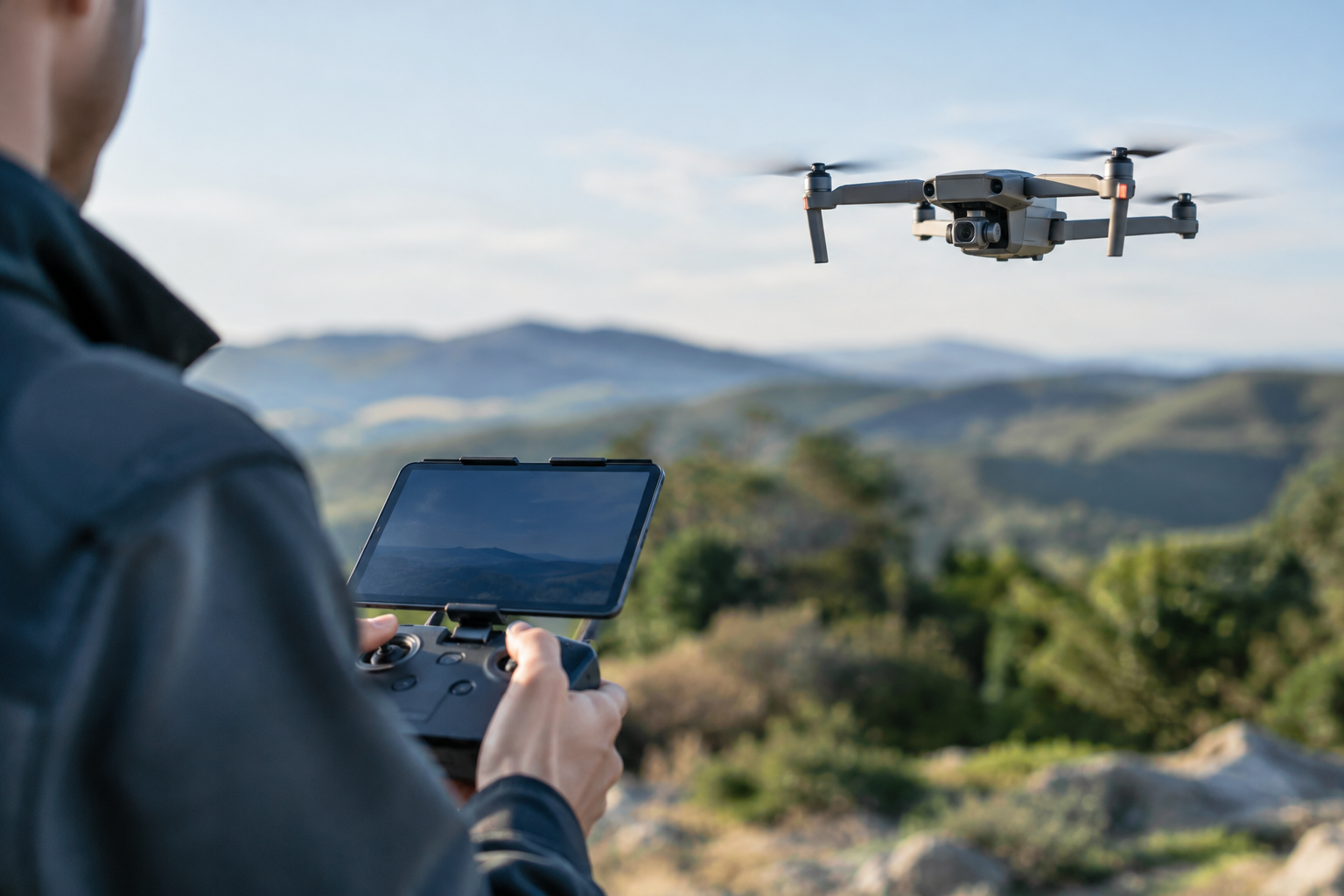
The Federal Aviation Administration controls airspace and sets rules for recreational and commercial drone operation. If your HOA operates a drone for security patrols, property inspections, or event photography, you must comply with FAA regulations. Recreational drones must weigh less than 55 pounds and fly below 400 feet. Commercial operations require the pilot to hold a Part 107 certificate. Montana has no additional state drone law that supersedes federal rules, but your association remains subject to common law privacy claims if a drone captures images of members in private spaces.
Montana has significant rural geography, with 56 counties covering 147,000 square miles and a population of approximately 1.1 million people. Many HOAs manage properties in areas where large lots and open land create unique privacy concerns. A drone flying over a one acre lot in Missoula or Bozeman may capture images of backyards, decks, and outdoor activities that members consider private. Your board should adopt a policy that limits drone flight paths to common areas and prohibits recording individual units or private yards.
What Your Governing Documents Allow
Your declaration of covenants, bylaws, and rules establish your association's authority to use surveillance technology. Review these documents to determine whether the board has explicit power to install cameras or operate drones. If your documents are silent, you can still act within the board's general authority to maintain common areas and ensure member safety, but you must document the legitimate purpose and avoid overreach.
A concrete example: in 2019, a homeowner association near Kalispell installed cameras at the community entrance and around the pool area after a series of vandalism incidents. The board did not update its governing documents or adopt a written surveillance policy. When a member complained that one camera captured part of her driveway, the board moved the camera angle within 48 hours and adopted a formal policy limiting camera placement to areas visible from public roads or dedicated common spaces. The quick response avoided litigation, but the incident demonstrated the importance of a written policy before installing equipment.
Member Use of Drones and Cameras
Your governing documents may restrict members from flying drones within the community or installing personal surveillance cameras that point at common areas or neighboring properties. If your covenants include architectural review provisions, you can require members to submit requests before mounting exterior cameras. If your covenants contain nuisance clauses, you can prohibit drones that create noise, invade privacy, or interfere with other members' use of their property.
Enforce these restrictions consistently. If you allow one member to operate a drone without review, you create a precedent that weakens enforcement against other members. Document all requests, approvals, and denials. Consult your attorney for your specific situation to confirm that your restrictions comply with Montana law and do not violate federal aviation authority.
What You Should Do Now
Review your governing documents and identify any provisions that address surveillance, cameras, or drones. If your documents are silent, draft a resolution or policy that defines when and where the association may use surveillance technology. Specify that cameras will not capture private areas, that drone flights will occur only over common property, and that the board will store footage securely and disclose it only as required by law or court order.
Schedule a member meeting or send written notice explaining the policy before you install cameras or operate drones. Transparency reduces complaints and demonstrates that your board respects member privacy. Post signs at entrances and pool areas indicating that surveillance cameras are in use. Create a log of all drone flights, including date, time, purpose, and areas covered.
Manorway's AI assisted platform helps you draft surveillance policies, track member requests for camera installation, and maintain records of board decisions. When your board documents the rationale for surveillance measures and stores policies in one accessible location, you reduce the risk of privacy disputes and protect the association in litigation. Manorway does not replace legal advice, but it organizes the documentation you need to show that your board acted responsibly.
Ready to modernize your HOA management?
Learn how Manorway can help your community operate more efficiently.
Get Started Today