Pennsylvania HOA Drone and Surveillance Rules: What Your Board Can and Cannot Do
Pennsylvania law does not establish specific rules for HOA drone use or surveillance cameras. Your board's authority flows from your governing documents, state trespass and privacy principles, and federal aviation rules that apply uniformly across all states.
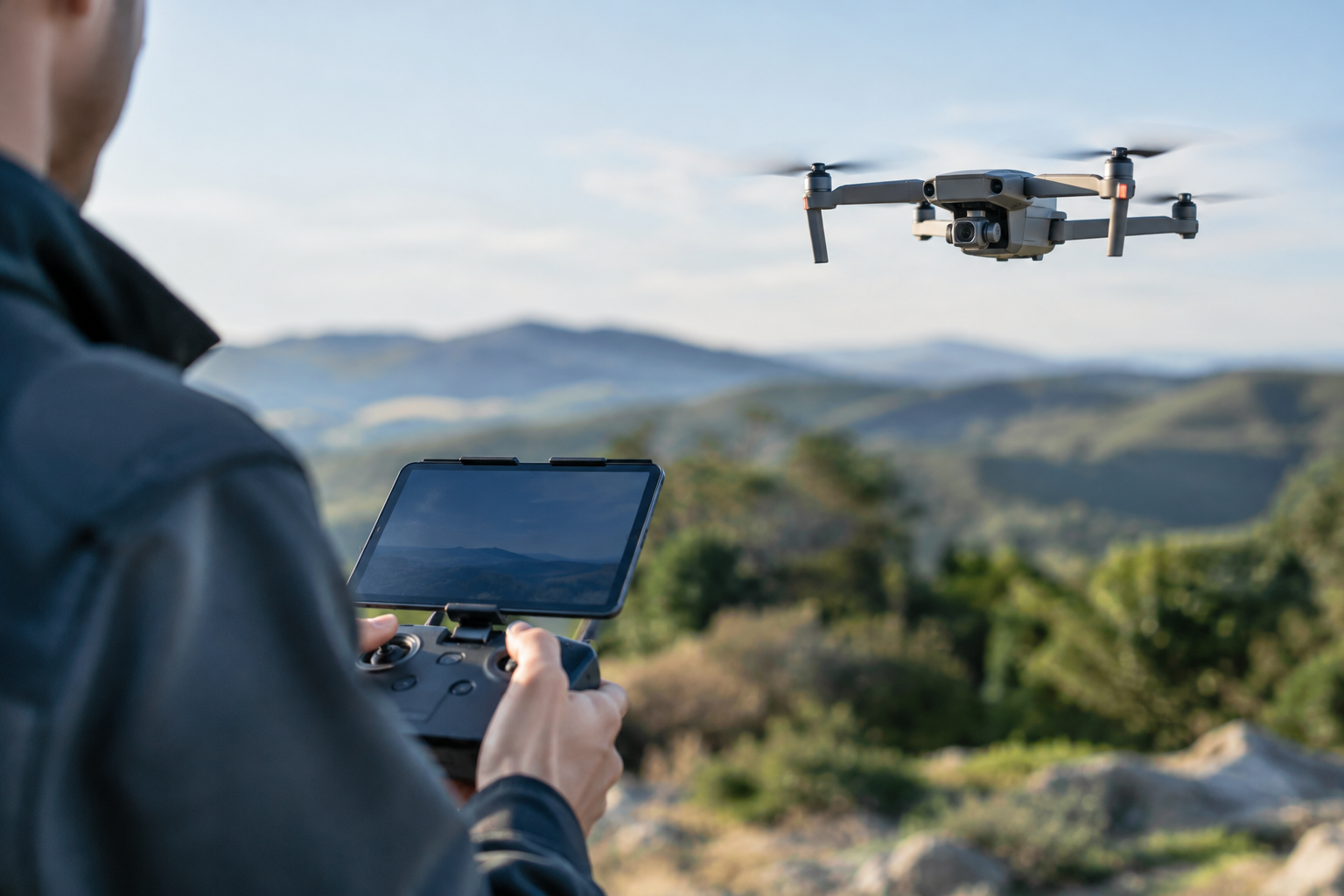
Pennsylvania HOA Drone and Surveillance Rules: What Your Board Can and Cannot Do
Pennsylvania has no state statute that specifically regulates HOA use of drones or surveillance cameras on common property. Your association's authority to adopt drone and surveillance policies comes from your declaration of covenants, bylaws, and the general police power your governing documents grant to the board. Because Pennsylvania law is silent on HOA specific drone use, you must balance federal aviation rules, state privacy and trespass principles, and the rights your members expect when they use common areas.
Federal Aviation Rules Apply First
The Federal Aviation Administration controls all airspace in the United States, including the airspace above your Pennsylvania community. Under FAA regulations, any drone weighing more than 0.55 pounds must be registered with the FAA. If your HOA operates a drone for inspections, security patrols, or aerial photography of common areas, the person piloting the drone must hold a Part 107 remote pilot certificate if the flight is for any purpose other than pure recreation. Recreational flights are allowed under 49 U.S.C. 44809, but once your board uses a drone for association business, you cross into commercial operation.
Your board cannot prohibit a member from flying a drone in the airspace above the community if that member complies with FAA rules. You can regulate where drones may launch and land on common property, but you cannot ban overflight of association land at lawful altitudes. Pennsylvania courts have not yet issued a published decision defining at what altitude a drone crosses from trespass to lawful overflight, but common law trespass principles suggest that a drone hovering three feet above a member's patio likely intrudes on possessory rights, while a drone at 100 feet traveling through airspace does not.
Pennsylvania Privacy and Trespass Principles
Pennsylvania recognizes a common law right to privacy that includes freedom from intrusion upon seclusion. If your association operates a drone that hovers outside a member's window and captures video of activities inside the home, you create liability for invasion of privacy. The Pennsylvania Attorney General's office does not regulate HOA drone use directly, but the office does investigate consumer complaints related to privacy violations and can refer cases to local district attorneys if criminal conduct is alleged.
In 2018, a Philadelphia area condominium association installed a camera on the roof of a building to monitor a parking garage. The camera angle inadvertently captured a portion of one unit's balcony. The unit owner filed a complaint with the board and threatened litigation. The association repositioned the camera within 10 days and avoided a lawsuit, but the incident cost the association approximately $2,400 in consultant fees to verify the new camera angle did not intrude on private space.
Pennsylvania courts apply a reasonableness standard when evaluating privacy claims. A camera that records only common hallways, parking lots, and building entrances serves a legitimate security purpose and does not intrude on a reasonable expectation of privacy. A camera that zooms into a member's living room window does. Your board must document the purpose of each camera, verify that the angle and field of view capture only common areas or shared structures, and notify members in writing where cameras are located.
What Your Governing Documents Allow
Your declaration and bylaws control what your board can regulate on common property and what restrictions you can place on member conduct. Most Pennsylvania governing documents grant the board authority to adopt rules for the use of common areas and to protect the safety and welfare of residents. You can adopt a rule that prohibits launching or landing drones on common property without board approval. You can require members who operate drones within the community to carry liability insurance in a specified amount. You cannot ban a member from flying a drone in compliance with FAA rules over the community at a lawful altitude.
If your documents are silent on drones and surveillance, you can adopt a rule that fills the gap, but you must follow your amendment process. Check whether your bylaws require a member vote, a board vote, or both. Send written notice to all members at least 30 days before the vote and include the full text of the proposed rule. After adoption, distribute the rule to every household and post it on your association's website or member portal.
Practical Steps for Your Board
Review your declaration and bylaws to identify any existing language about cameras, security equipment, or nuisance conduct. Check whether your insurance policy covers liability arising from drone operations or surveillance camera data breaches. If your association does not currently operate drones or cameras, decide whether the board has a legitimate reason to do so. Roof inspections, gutter assessments, and perimeter security patrols are legitimate. Monitoring individual unit patios or windows is not.
If your board plans to install surveillance cameras, map the camera locations and angles on a site plan. Walk the property and verify that each camera captures only common areas, entrances, and shared structures. Install signage that informs members and guests that cameras are in use. Store recorded footage on a secure server and adopt a written policy that limits access to board members, your property manager, and law enforcement with a valid subpoena. Consult your attorney for your specific situation to confirm that your camera policy complies with Pennsylvania privacy principles and your governing documents.
If a member requests permission to operate a drone for recreational purposes, ask the member to provide proof of FAA registration, proof of liability insurance, and a written description of the planned flight path. Approve or deny the request in writing within 14 days. If you deny the request, explain the reason in specific terms tied to safety, noise, or interference with other members' quiet enjoyment of common areas. A blanket refusal with no reasoning will not survive a challenge.
Manorway Can Help You Manage Drone and Surveillance Policies
Manorway's AI assisted platform lets you store your governing documents, track rule adoption timelines, and maintain a record of member requests and board decisions. When a member submits a drone request, you can log the request, attach supporting documents, and generate a written response with a date stamp. If your board adopts a new surveillance policy, you can schedule member notices, track votes, and store the final approved rule in one place. Consult your attorney to draft the specific language for your drone and camera rules, then use Manorway to manage the rollout and record compliance.
Pennsylvania HOA boards operate in a legal environment that requires balancing federal aviation authority, state privacy principles, and the specific powers your governing documents grant. By documenting your camera locations, verifying that your drone operations comply with FAA rules, and adopting clear written policies, you reduce liability and give your members predictable boundaries. Your next step is to review your current surveillance and drone practices, identify any gaps between what your documents allow and what your board is doing, and bring the two into alignment before a complaint arises.
Ready to modernize your HOA management?
Learn how Manorway can help your community operate more efficiently.
Get Started Today