Pennsylvania HOA Solar Panel and Clothesline Rules: What Boards Need to Know
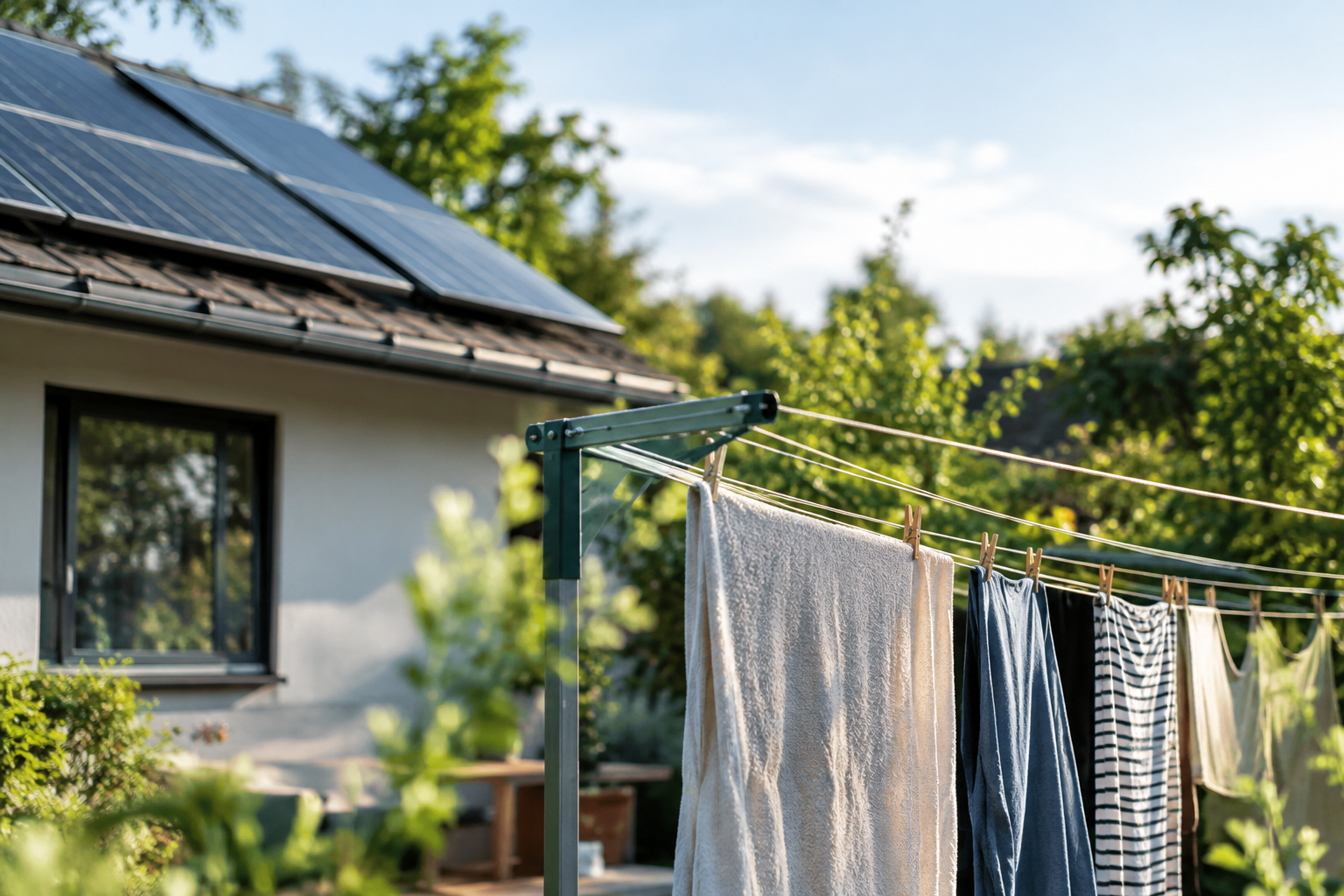
Pennsylvania does not have a state statute that prevents HOAs from restricting solar panels or clotheslines. Your association's declaration and covenants control whether members can install energy devices, creating wide variation across communities.
Pennsylvania HOA Solar Panel and Clothesline Rules: What Boards Need to Know
Pennsylvania has no state statute that prevents homeowner associations from restricting solar panels, wind turbines, or clotheslines. Your association's declaration of covenants and architectural review process control whether members can install energy generating or energy saving devices. This absence of statewide solar rights law creates wide variation across Pennsylvania communities and places the authority squarely with your governing documents.
What Pennsylvania Law Does Not Require
Unlike states such as California, Florida, and Colorado, Pennsylvania has not enacted legislation that preempts HOA restrictions on solar energy systems. Your board may enforce blanket prohibitions on rooftop solar panels if your covenants include such a ban. You may also require advance architectural approval, restrict panel placement to rear facing roof slopes, or mandate specific mounting hardware and colors.
The Pennsylvania Uniform Planned Community Act, which governs many HOAs in the state, grants associations broad authority to regulate the external appearance of units and common elements. Your declaration may prohibit any structure or improvement that alters the exterior aesthetic, and courts in Pennsylvania have consistently upheld these restrictions when they are clearly stated in recorded covenants.
Because no state law supersedes your covenants on this issue, you are not required to approve a solar installation request even if a member argues that the panels will reduce energy costs or provide environmental benefits. Your fiduciary duty is to enforce the governing documents as written, not to weigh individual members' policy preferences.
How Governing Documents Control Solar and Clothesline Rules
Your declaration is the starting point. Review the section on architectural modifications and the list of prohibited improvements. Many Pennsylvania associations include language that restricts any addition, alteration, or improvement visible from neighboring lots or the street without prior written approval from the architectural review committee.
If your covenants state that no external structure may be erected without board consent, that clause covers solar panels, satellite dishes beyond the protected minimum size under federal law, clotheslines, and wind turbines. The scope of your authority depends on how broadly or narrowly your declaration defines prohibited changes.
Some associations include specific solar or clothesline bans. Others use general aesthetic standards that achieve the same result by requiring uniformity of rooflines and prohibiting exterior drying equipment. A third group of communities allow these devices but impose conditions on placement, size, and appearance.
A real example: the Stonegate Homeowners Association in Bucks County adopted covenants in 2008 that prohibit any rooftop equipment except satellite dishes smaller than one meter in diameter. When a member requested approval for a 20 panel solar array in 2019, the board denied the request based on the covenant language. The member appealed, arguing that Pennsylvania policy favors renewable energy. The board's attorney confirmed that no state law required the association to override its recorded restrictions, and the denial stood. The dispute cost both sides legal fees and created friction that persisted for two years.
Federal Satellite Dish Rules and State Gaps
One federal rule does limit HOA authority over certain devices. The Federal Communications Commission's Over the Air Reception Devices rule, codified at 47 CFR Section 1.4000, prohibits restrictions that impair installation, maintenance, or use of satellite dishes smaller than one meter in diameter and television antennas. This rule does not cover solar panels, clotheslines, or wind turbines.
Your board may not ban a small satellite dish, but you may impose reasonable restrictions on placement if those restrictions do not increase installation cost significantly or impair signal quality. You can require a member to mount the dish on the rear of the house rather than the front if the rear location provides adequate reception.
Pennsylvania associations sometimes confuse the FCC satellite rule with solar panel rights. The two are distinct. No federal or Pennsylvania statute protects solar installations the way the FCC rule protects satellite dishes.
What Your Board Should Do Now
Pull your declaration, bylaws, and architectural guidelines. Identify every clause that mentions external modifications, rooftop equipment, or aesthetic standards. Determine whether your documents allow solar panels, prohibit them outright, or create a review process with approval criteria.
If your covenants are silent on solar devices, you are operating in a gray area. Silence does not mean automatic approval. Many boards interpret general aesthetic and uniformity clauses to cover new technologies like solar panels. However, a member could argue that because solar panels did not exist when your declaration was drafted, the absence of a specific ban means they are permitted.
Consider whether your community would benefit from a formal solar panel policy. A policy clarifies your position, reduces disputes, and gives members predictable guidance. You might permit solar panels on rear roof slopes only, require specific mounting methods that minimize visual impact, or establish a maximum total square footage.
You may also choose to amend your declaration to address solar panels explicitly. An amendment requires a member vote under Pennsylvania law, typically 67 percent approval of all unit owners unless your declaration specifies a different threshold. Amendments are time consuming, but they eliminate ambiguity.
Do not approve or deny a solar panel request based solely on verbal discussion at a board meeting. Document your decision in writing. Cite the specific covenant section that supports your ruling. If you approve a request conditionally, list every condition in a written letter and require the member to sign an acknowledgment before installation begins.
Consult your attorney for your specific situation before denying any solar panel request. An attorney can review your covenants, assess whether the requested installation violates your restrictions, and draft a denial letter that protects the board from liability.
Market Pressure and Member Expectations
Pennsylvania home buyers increasingly expect the option to install solar panels. The state offered a solar rebate program through the Pennsylvania Sunshine Solar Program until funding ran out in 2013, and federal tax credits remain available for residential solar systems. Members who purchased homes assuming they could add solar panels may challenge your covenant restrictions.
In the Philadelphia metro area, where approximately 60 percent of the state's community associations are concentrated, solar adoption has grown by double digits annually since 2018 according to regional solar installers. Boards that enforce blanket bans face pushback from environmentally focused members.
You can acknowledge this pressure without abandoning your duty to enforce covenants. If a majority of members want to allow solar panels, the proper path is a covenant amendment, not selective enforcement or board override of recorded restrictions.
Clothesline Rules Follow the Same Framework
Pennsylvania has no right to dry law that protects outdoor clotheslines from HOA restrictions. Your governing documents control whether members may hang laundry outdoors. Many associations prohibit clotheslines under general aesthetic clauses or specific bans on outdoor drying equipment.
The same analysis applies: review your covenants, determine whether a prohibition exists, and document your decision in writing. Some boards permit retractable clotheslines in rear yards only, visible from the member's lot but not from the street or neighboring properties. Others ban all outdoor drying equipment.
If you allow clotheslines, consider rules that limit the hours during which laundry may be displayed, require removal when not in use, and prohibit permanent poles or structures.
How Manorway Helps
Manorway's AI assisted platform helps you store governing documents, track architectural review requests, and maintain records of board decisions. When a member submits a solar panel or clothesline request, you can review your covenant language, record the board's discussion, and generate a written response that cites specific sections of your declaration. The platform creates an audit trail that protects your board if a member later disputes your ruling.
You can also use Manorway to draft a solar panel policy or prepare a covenant amendment for member vote. The system organizes the amendment process, tracks member responses, and stores signed acknowledgments when you approve installations with conditions.
Ready to modernize your HOA management?
Learn how Manorway can help your community operate more efficiently.
Get Started Today