Rhode Island HOA Drone and Surveillance Rules
Rhode Island does not have a state statute that directly regulates drone or surveillance camera use by homeowner associations. Your HOA's authority to adopt drone and surveillance rules flows from your governing documents, general privacy principles, and federal aviation law.
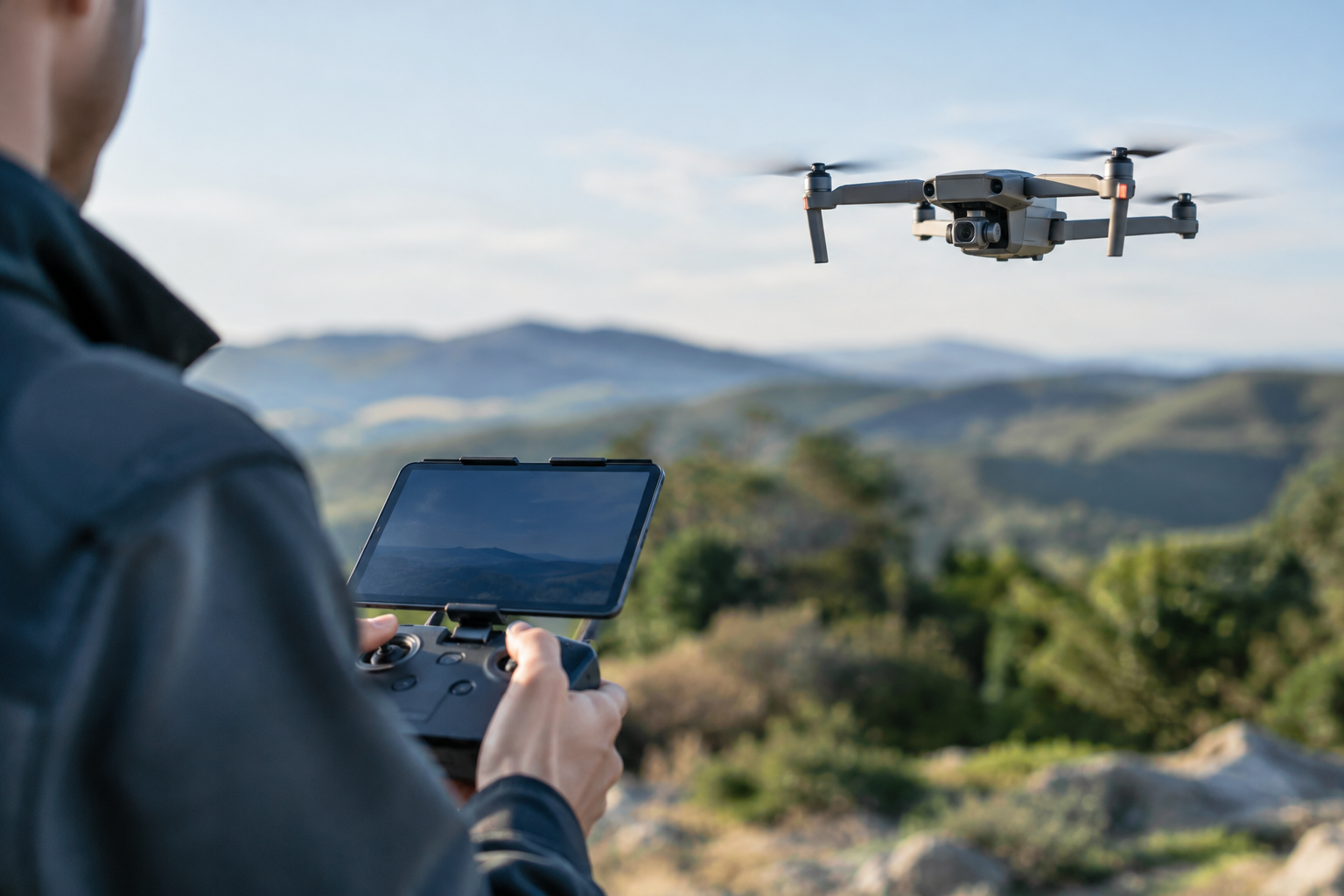
Rhode Island HOA Drone and Surveillance Rules
Rhode Island does not have a state statute that directly regulates drone or surveillance camera use by homeowner associations. Your HOA's authority to adopt drone and surveillance rules flows from your governing documents, general privacy principles, and federal aviation law. Without a specific Rhode Island code section addressing drones in community associations, your board must craft policy based on the declaration of covenants, the Rhode Island Constitution's privacy protections, and Federal Aviation Administration regulations.
State Privacy Framework
Rhode Island courts recognize a common law right to privacy that extends to unreasonable intrusion into private spaces. If a drone operated by your HOA or a member hovers over another member's patio and captures images through a window, the photographed party may have a civil claim for invasion of privacy. The Rhode Island Supreme Court has not issued a binding ruling on drone surveillance specifically, but precedent in analogous trespass and privacy cases suggests that intentional, sustained observation of areas where someone has a reasonable expectation of privacy can support a tort claim.
The Rhode Island Attorney General's office does not regulate HOAs directly, but it investigates consumer fraud and deceptive trade practices. If your board represents to members that it will not deploy surveillance cameras, then installs them without notice or justification, a member might file a complaint alleging deceptive conduct. The practical risk is low unless the deception is egregious, but the possibility underscores the importance of clear, documented policy.
Federal Aviation Rules
All drones flown in Rhode Island airspace must comply with FAA Part 107 or recreational flying guidelines. If your HOA hires a contractor to conduct a roof inspection by drone, the operator must hold a Part 107 remote pilot certificate if the flight is commercial in nature. Recreational flights by members require registration of drones weighing more than 0.55 pounds and adherence to community based safety guidelines.
Your association cannot prohibit flights in airspace above the community outright because the FAA has exclusive jurisdiction over navigable airspace. However, your governing documents can regulate takeoff and landing locations on common property, restrict drone operation during quiet hours, and impose liability on members whose drones damage property or violate other members' privacy.
What Your Governing Documents Permit
Most Rhode Island HOA covenants include nuisance clauses that prohibit activities creating unreasonable interference with neighbors' use and enjoyment of their units. A member who repeatedly flies a drone at dawn, hovers over pools where children swim, or records video of private patios may violate a nuisance provision even if no statute explicitly bans the conduct.
Your declaration may also grant the board authority to adopt rules protecting the safety and welfare of the community. Under this general rulemaking power, your board can pass a resolution restricting drone launch sites to designated areas, requiring advance notice of drone flights, and prohibiting any recording of windows, balconies, or other spaces where privacy is expected. These rules must be reasonable, applied uniformly, and documented in meeting minutes.
Surveillance Cameras on Common Property
Many Rhode Island associations install cameras at entrances, parking areas, and pool gates to deter theft and enhance security. State law does not mandate disclosure or consent for cameras in genuinely common spaces like driveways or lobbies. However, cameras aimed at individual unit doors, bedroom windows, or other semi private areas risk privacy complaints.
A real example: the Warwick Pines Homeowners Association in Warwick installed cameras at the pool entrance in 2019 to monitor after hours use. The board placed signs at the pool gate notifying members that video recording was in use. When a member objected, arguing that the camera captured his backyard, the board adjusted the camera angle to exclude private yards and updated the signage to describe the camera's field of view. The issue resolved without litigation, but the adjustment cost the association several hundred dollars in professional installation fees.
If your association decides to deploy cameras, draft a policy that identifies the purpose of each camera, describes where footage is stored and who can access it, and sets a retention schedule. Rhode Island does not have a data breach notification law specific to HOAs, but prudent boards treat surveillance footage as sensitive and limit access to the board, management, and law enforcement when necessary.
Balancing Security and Privacy
Your board's challenge is to adopt surveillance measures that enhance safety without creating a perception of intrusive monitoring. Members tolerate cameras at community entrances because the security benefit is clear and the intrusion is minimal. Members resist cameras that peer into personal spaces or record conversations.
When considering a new camera or drone policy, survey your members to gauge concerns. Present the draft policy at a meeting, allow comments, and document the rationale for each restriction or permission. This process builds consensus and creates a record that can support the board if a member challenges the policy later.
Enforcement and Liability
If a member violates your drone or camera rules, your enforcement options depend on the covenants. Many Rhode Island associations can impose fines for rule violations after notice and an opportunity to be heard. The fine schedule should be in your rules or bylaws, and the amount must be reasonable. A $50 fine for a first offense is common. Repeat violations can escalate to higher fines or suspension of privileges like access to the pool or clubhouse.
If a member's drone injures another member or damages property, the drone operator is liable under general tort law. Your association's insurance may cover incidents on common property, but the member's own homeowner policy typically covers liability for the member's actions. Encourage members who fly drones to verify that their personal insurance includes drone liability coverage.
What You Should Do Now
Review your declaration and bylaws to confirm whether they grant the board rulemaking authority over nuisances, safety, and property use. If the authority exists, draft a resolution that addresses drone takeoff and landing locations, flight hours, and recording restrictions. Include a provision requiring members to comply with FAA rules and to hold the association harmless for any drone related liability.
If your association operates surveillance cameras, audit the current installations. Verify that each camera serves a legitimate security purpose, that signage notifies members of recording, and that footage is stored securely. Revise your policy to specify retention periods and access protocols. Consult your attorney for your specific situation to ensure that your drone and surveillance rules align with your covenants and Rhode Island privacy principles.
Manorway's AI assisted platform helps you track policy adoption, store signed resolutions, and schedule reviews of drone and camera rules. When your board documents the rationale for each restriction and maintains a record of member feedback, you create an audit trail that supports the policy in disputes and demonstrates that the board acted in the community's best interest.
Ready to modernize your HOA management?
Learn how Manorway can help your community operate more efficiently.
Get Started Today