South Dakota HOA Solar Panel and Clothesline Rules
South Dakota does not mandate solar access rights or clothesline protections in homeowner associations. Your CC&Rs and architectural guidelines determine what energy devices you can install.
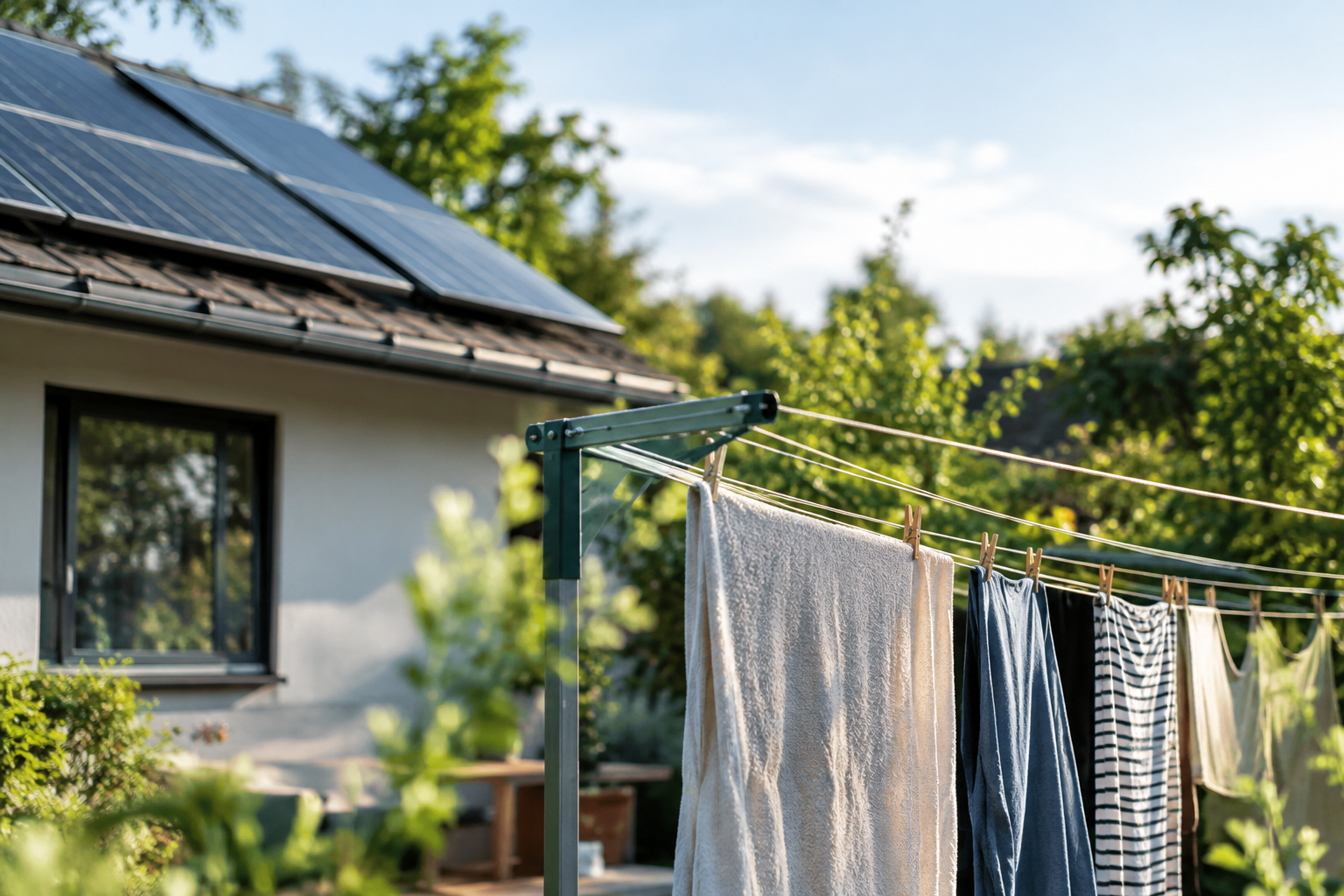
South Dakota HOA Solar Panel and Clothesline Rules
South Dakota has no state statute that protects your right to install solar panels or clotheslines in a homeowner association. Unlike states such as California, Florida, or Colorado, South Dakota law does not preempt HOA restrictions on renewable energy devices or outdoor drying equipment. Your association's covenants, conditions, and restrictions control whether you can add solar arrays, wind turbines, or clotheslines to your property.
This absence of state protection means that many South Dakota HOAs prohibit or heavily restrict solar installations and outdoor clotheslines through architectural review processes. If your governing documents ban these devices outright, you have no statutory override to challenge that ban. The South Dakota Attorney General's office does not have specific authority over HOA solar disputes, and no state real estate commission enforces solar access mandates.
What Your Governing Documents Typically Say
Most South Dakota HOAs include architectural control provisions in their declarations. These provisions require that you submit any exterior modification for board approval before installation. Common restrictions include bans on rooftop equipment visible from the street, prohibitions on ground mounted structures in front yards, and aesthetic standards that limit panel size, color, or placement.
A typical declaration might state that no owner may install any exterior fixture or structure without written approval from the architectural review committee. The committee evaluates submissions based on appearance, neighborhood harmony, and consistency with existing homes. If your CC&Rs contain language like this, the board can deny your solar panel application for purely aesthetic reasons.
Clothesline restrictions follow a similar pattern. Many associations prohibit any outdoor drying apparatus visible from adjacent properties or common areas. The rationale is preservation of property values and visual uniformity. Some declarations allow retractable clotheslines that are not permanently installed, while others ban all outdoor drying equipment regardless of design.
The Cost of No State Protection
Without a state solar rights law, South Dakota homeowners face higher barriers to renewable energy adoption. A 2022 study by the Solar Energy Industries Association found that states without solar access protections have 18 percent lower residential solar installation rates than states with strong preemption laws. South Dakota ranks in the bottom third of states for per capita solar capacity, with approximately 42 megawatts of installed solar across the state as of early 2024.
The financial impact can be significant. A typical residential solar array in Sioux Falls costs between $15,000 and $25,000 before federal tax credits. If your HOA denies your application, you lose access to those savings and continue paying retail electricity rates. South Dakota's average residential electricity rate in 2024 was 12.3 cents per kilowatt hour, meaning a household using 900 kilowatt hours per month pays roughly $110 monthly. Over 20 years, that totals more than $26,000 in utility costs that solar could offset.
Clothesline bans have a smaller but real cost. Energy Star estimates that electric dryers consume approximately 769 kilowatt hours annually for an average household. At South Dakota's rates, that represents about $95 per year in avoidable electricity expense.
The Common Mistake: Installing Without Approval
The most frequent error South Dakota homeowners make is installing solar panels or clotheslines without seeking architectural approval. You assume that because the device saves energy or reduces your carbon footprint, the board will not object. This assumption leads to expensive disputes.
When you install without approval, your HOA can demand removal, impose fines, and pursue legal action to compel compliance. Your governing documents typically grant the board authority to enforce violations through monetary penalties that escalate over time. A first violation might carry a $50 fine, with daily fines of $25 or more for continued noncompliance. If the dispute reaches court, you may also owe the association's attorney fees.
A concrete example: the Countryside Estates HOA in Rapid City includes a provision in its CC&Rs that requires advance approval for any rooftop installation. In 2020, a homeowner installed a 6 kilowatt solar array on his south facing roof without submitting an application. The board issued a violation notice within two weeks and assessed a $100 fine with $50 per week penalties for each week the panels remained. The homeowner challenged the fine, arguing that the panels were environmentally beneficial and did not harm neighboring property values. The board rejected his appeal because the CC&Rs made no exception for renewable energy devices. The homeowner ultimately paid $800 in fines and legal fees before reaching a settlement that allowed the panels to remain with modified screening landscaping.
This outcome illustrates the risk. Even when your installation is objectively reasonable and beneficial, the board can enforce the governing documents as written. South Dakota courts defer to HOA authority when the association follows its own procedures and the restrictions are not arbitrary or unconscionable.
What You Should Do Before Installing
Pull your association's declaration, architectural guidelines, and any amendments. Search for terms like "solar," "panel," "antenna," "clothesline," "drying," and "exterior modification." Identify whether your documents include a blanket ban, a conditional approval process, or silence on these devices.
If your documents are silent, that does not mean you have automatic permission. Silence typically defaults to board discretion under the architectural review provisions. You still need to submit an application.
Prepare a detailed application that includes product specifications, installation diagrams, photos of the proposed location, and an explanation of how the installation minimizes visual impact. Include information about roof pitch, panel color, and any screening measures you plan. For solar panels, provide efficiency data and estimated energy production. For clotheslines, describe retractable or collapsible designs that reduce visibility when not in use.
Submit your application at least 60 days before you plan to install. This timeline gives the board sufficient time to review, request additional information, and schedule a hearing if needed. Attend the board meeting where your application is discussed. Answer questions directly and show willingness to compromise on placement or design.
If the board denies your application, ask for a written explanation. The board should cite the specific provision in the governing documents that your proposal violates. If the denial seems arbitrary or inconsistent with past approvals, you may have grounds to challenge it. Consult your attorney for your specific situation before pursuing legal action.
South Dakota Energy Efficiency Context
South Dakota has experienced steady growth in wind energy but lags in residential solar adoption. The state's geography includes areas with strong solar potential, particularly in the west and southwest regions where average daily solar radiation exceeds 4.5 kilowatt hours per square meter. However, the combination of low electricity rates and absence of state solar incentives has slowed residential uptake.
The South Dakota Public Utilities Commission regulates investor owned utilities but does not have authority over HOA energy device restrictions. If your utility offers net metering or a solar rebate program, you can still lose access to those benefits if your HOA blocks installation.
Some newer South Dakota subdivisions include solar friendly language in their original declarations. Developers in markets like Sioux Falls and Brookings have begun drafting CC&Rs that explicitly allow solar panels subject to reasonable aesthetic standards. If you are purchasing a home in an HOA, review the declaration before closing to confirm whether solar and clothesline restrictions exist.
When the Board Should Reconsider Restrictions
If you serve on a South Dakota HOA board, you may want to evaluate whether blanket bans on solar panels and clotheslines still serve your community. Modern solar panels are lower profile and more aesthetically integrated than older models. Tesla Solar Roof tiles and similar products blend with traditional roofing materials, reducing visual impact.
Amending your governing documents to allow solar installations with reasonable design standards can increase property values and appeal to environmentally conscious buyers. A 2021 Zillow study found that homes with solar panels sell for 4.1 percent more on average than comparable homes without solar. Allowing solar may make your community more competitive in the resale market.
To amend your CC&Rs, you typically need approval from a supermajority of owners, often 67 or 75 percent depending on your declaration. Draft proposed language that permits solar panels on rear roof slopes or in backyards, requires earth tone panel frames, and mandates professional installation with proper permitting. Circulate the proposal with visual examples and cost benefit data. Hold a town hall meeting to address concerns about aesthetics and property values.
How Manorway Helps You Manage Applications
When your South Dakota HOA uses Manorway, you create a transparent process for reviewing solar and clothesline applications. The platform lets you store architectural guidelines, track submission deadlines, and maintain a record of board decisions. You can upload photos and plans directly into the system, schedule review meetings, and document the rationale for approvals or denials.
Manorway's AI assisted tools help you identify inconsistencies in past decisions and ensure that your board applies the same standards to every application. If a homeowner appeals a denial, you have a complete audit trail showing how you evaluated the request. This documentation protects the board from claims of arbitrary enforcement and helps you defend your decision if the dispute escalates.
The platform also tracks whether your governing documents include specific solar or clothesline provisions. You can flag these sections and link them to relevant applications, making it easier for board members to reference the exact language during review. When you decide to amend your CC&Rs to permit solar installations, Manorway helps you manage the amendment process, track owner votes, and record the final result.
Ready to modernize your HOA management?
Learn how Manorway can help your community operate more efficiently.
Get Started Today