South Carolina HOA Drone and Surveillance Rules: What Your Board Can Enforce
South Carolina lacks a comprehensive state statute on HOA drone operations or surveillance camera deployment. Your association's authority to regulate drones and cameras flows from your governing documents, federal aviation law, and common law privacy principles that South Carolina courts recognize.
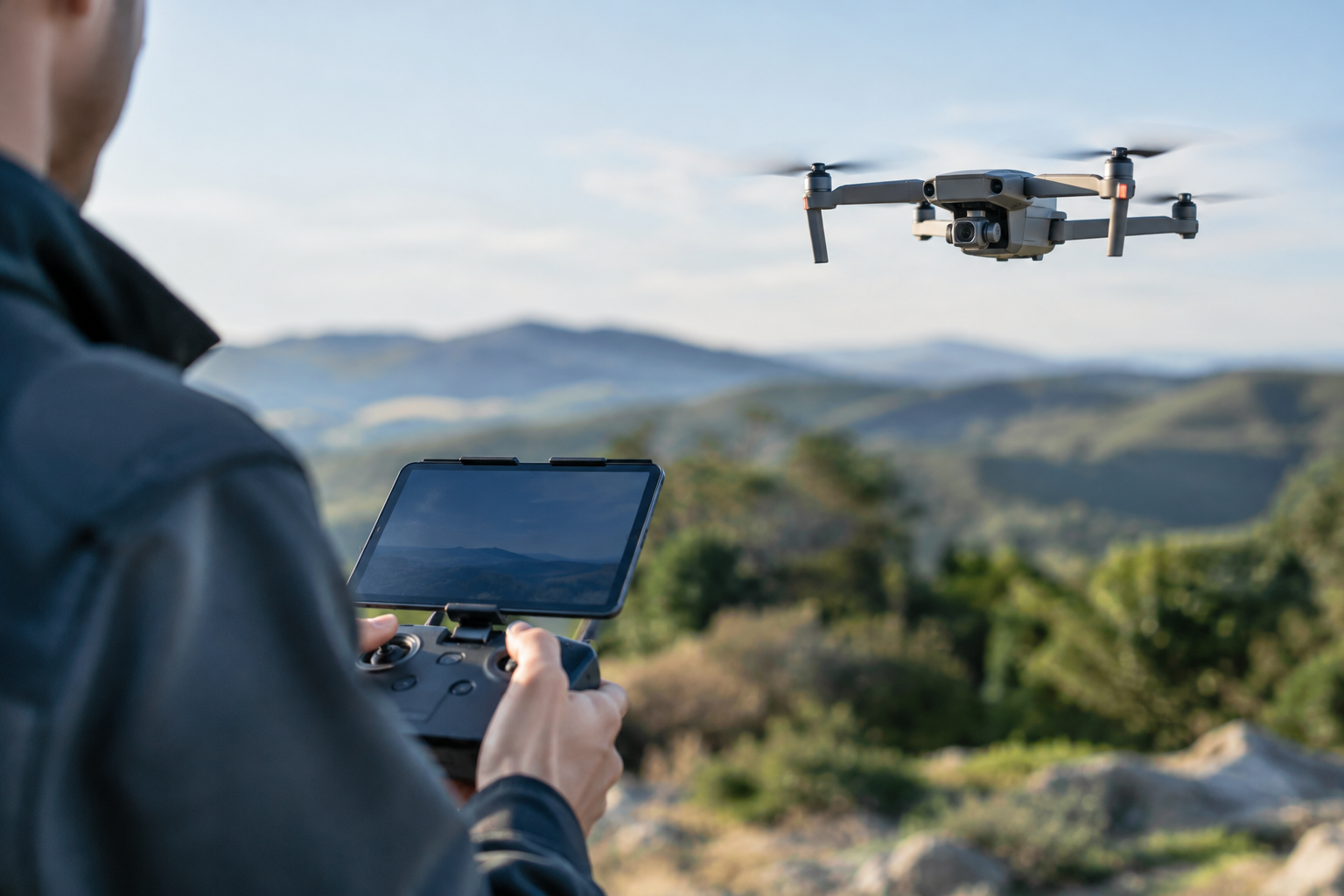
South Carolina HOA Drone and Surveillance Rules: What Your Board Can Enforce
South Carolina has no state statute that specifically governs HOA use of drones or surveillance cameras on association property. Your board's authority to regulate drone flights, camera placement, and security monitoring comes from your declaration of covenants, bylaws, and architectural guidelines. Because state law is silent on these technologies, your association must balance member privacy rights, federal aviation rules, and the board's duty to protect common areas and enforce restrictions.
The South Carolina Attorney General's office oversees consumer protection and can investigate HOA complaints about board misconduct, but it does not publish specific guidance on drone or camera use. South Carolina courts recognize common law privacy rights, including intrusion upon seclusion and public disclosure of private facts, which means your board cannot deploy surveillance in a manner that violates reasonable privacy expectations. When your association creates drone or camera rules, you must ground them in a legitimate purpose like security, maintenance inspection, or enforcement of architectural standards.
Federal Aviation Rules Apply First
Federal Aviation Administration regulations control all drone operations in United States airspace, including flights over your HOA. The FAA requires recreational drone pilots to register aircraft weighing more than 0.55 pounds and to fly below 400 feet in uncontrolled airspace. Commercial drone operators, including your HOA if it hires a vendor to inspect roofs or document violations, must hold a Part 107 certificate and follow additional operational rules.
Your HOA cannot ban drone overflights of common areas or private lots based solely on federal airspace rules, because the FAA preempts state and local restrictions on flight operations. However, your governing documents can regulate takeoff and landing locations on association property, restrict drone photography of neighbor windows or backyards, and prohibit nuisance noise or harassment. A rule that says "no drone may take off or land on common area property without board approval" is enforceable. A rule that says "no drone may fly over the association at any altitude" conflicts with federal law and is not enforceable.
If your board plans to operate a drone for maintenance inspections or rule enforcement, you must comply with FAA commercial rules. This means obtaining a Part 107 remote pilot certificate, maintaining liability insurance, and following operational limits on night flight, flight over people, and beyond visual line of sight operations. The FAA updated Part 107 rules in 2021 to allow some night operations and flights over people when drones meet specific safety standards, but your pilot must complete additional training.
What Your Governing Documents Can Control
Your declaration and bylaws likely grant your board broad authority to adopt rules that protect property values, prevent nuisances, and ensure peaceful enjoyment of homes. This authority extends to drone and camera rules when those rules serve a legitimate association purpose. You can regulate where drones may launch and land on common property, what times of day drones may operate, and whether members must notify neighbors before flying over their lots.
A typical enforceable rule might state: "Members who operate drones within the association must provide 24 hours written notice to the board, may not launch or land drones on common area property without written approval, and may not use drones to photograph or record other members' backyards, patios, or windows. Violations will result in a $100 fine per incident and potential suspension of common area privileges."
Your architectural guidelines can also address permanent or semi permanent camera installations. If your covenants require board approval for exterior modifications, that authority covers security cameras mounted on the front of a home, ring doorbells that capture neighbor activity, or floodlights with integrated motion sensing cameras. You can adopt standards for camera placement, field of view, and recording disclosure that balance security needs with neighbor privacy.
A community in Mount Pleasant faced a dispute in 2022 when a homeowner installed four high definition security cameras on a second story deck that captured video of three neighboring backyards and pools. The neighbors complained that the cameras recorded their children playing and created a hostile environment. The association's architectural guidelines required board approval for any exterior device but did not address field of view or recording scope. The board issued a violation notice requiring the homeowner to reposition the cameras to exclude neighbor yards. The homeowner challenged the notice, arguing that the board had no authority to regulate camera angles. The parties settled after the homeowner agreed to adjust two cameras and add privacy shields, but the dispute consumed six months and thousands in legal fees. The association later amended its guidelines to specify that cameras must not intentionally capture areas outside the owner's lot boundaries.
Privacy Law Limits on Surveillance
South Carolina courts recognize common law invasion of privacy claims, including intrusion upon seclusion. This tort protects individuals from intentional intrusions into private spaces where a person has a reasonable expectation of privacy. If your board installs cameras that record inside unit windows, capture conversations on private patios, or monitor bedroom areas, you expose the association to liability.
Your board should adopt a written policy that describes where cameras are located, what areas they monitor, how long footage is retained, and who has access to recordings. South Carolina has no statute requiring HOAs to post notice of surveillance, but clear signage reduces liability risk and supports your defense that members had no reasonable expectation of privacy in monitored common areas.
A sample policy might state: "The association maintains security cameras at the pool entrance, clubhouse parking lot, and mail kiosk. Cameras record video only and do not capture audio. Footage is retained for 30 days and is accessible only to the board, property manager, and law enforcement upon valid request. Cameras are positioned to monitor common areas and do not intentionally capture activity on private lots or inside units."
South Carolina is a one party consent state for audio recording under South Carolina Code Section 16-17-470, which means you can record a conversation if one party to the conversation consents. However, this statute applies to phone and in person conversations, not ambient audio capture in common areas. Your safest approach is to disable audio recording on all security cameras to avoid ambiguity about consent and to prevent claims that you are intercepting private communications.
Drone Use for Violation Enforcement
Your board may consider using drones to document architectural violations, overgrown landscaping, or unpermitted structures that are not visible from the street. This practice is legal under federal and South Carolina law if you follow FAA rules and avoid capturing interior spaces or private activities. However, you must balance enforcement efficiency with member relations and privacy concerns.
Before you deploy a drone for violation enforcement, adopt a written policy that describes the purpose, frequency, and scope of flights. Notify members in advance that the association will conduct periodic aerial inspections and explain how the board will use the footage. Limit flights to common areas and exterior lot views that are visible from public streets or neighboring properties. Do not use drones to peer into windows, record backyard activities, or conduct targeted surveillance of specific members without cause.
If a member refuses to allow a drone overflight of their lot, your board cannot physically prevent the member from launching a drone or blocking a flight path, because airspace above the lot is controlled by federal law. However, you can enforce rules that prohibit harassment, repeated low altitude flights that constitute a nuisance, or any flight that violates FAA safety rules. Document violations with timestamps, altitude readings, and witness statements, and follow your established fine and hearing procedures.
Camera Installation Standards
Your architectural guidelines should establish clear standards for member installed security cameras and video doorbells. Specify whether cameras require board approval, what mounting locations are permitted, and what aesthetic standards apply. Address field of view limits to prevent neighbors from capturing each other's private spaces.
A model guideline might state: "Members may install security cameras and video doorbells without prior board approval if the devices are mounted flush to exterior walls, finished in a color that matches the trim, and positioned to capture only the member's entry door, driveway, and front yard. Cameras that capture neighboring lots, common areas beyond the member's immediate property line, or any interior space visible through windows require written board approval. The board may require field of view adjustments or privacy shields as a condition of approval."
Some South Carolina associations distinguish between front facing cameras that monitor entry points and side or rear facing cameras that capture neighbor activity. You can adopt a presumption that front door cameras are permitted and side or rear cameras require approval and justification. This approach reduces approval burdens while protecting privacy where expectations are highest.
What You Should Do Now
Review your governing documents to confirm whether your board has authority to adopt rules about drones and cameras. Check your declaration for language about nuisances, peaceful enjoyment, or architectural control that supports regulation of these technologies. If your documents are silent or vague, consider a formal amendment that grants the board explicit authority to regulate surveillance devices and aerial photography.
Draft a drone and surveillance policy that covers member use, board use, and vendor use of these technologies. Include purpose statements, operational limits, notice requirements, and privacy protections. Circulate a draft to your attorney and to a member committee for feedback before the board adopts it. Schedule a town hall meeting to explain the policy and answer member questions. Consult your attorney for your specific situation to ensure your policy complies with federal aviation rules and South Carolina common law privacy principles.
Create a checklist for architectural review requests that involve cameras. Train your architectural committee or property manager to ask about field of view, recording scope, and neighbor impact when reviewing camera applications. Require applicants to submit a diagram or photo simulation that shows what the camera will capture. Approve requests that meet your guidelines and deny or condition requests that raise privacy concerns.
If your board plans to install cameras on common property, obtain member input on camera locations and develop a retention and access policy before you purchase equipment. Post clear signage at every camera location that states "This area is monitored by video surveillance." Disable audio recording features unless your attorney advises that your specific use case requires audio and complies with South Carolina wiretap law.
How Manorway Supports Your Surveillance Policy
Manorway helps your board document drone and camera rules, track architectural approvals, and maintain records of member notices and policy updates. When you use an AI assisted platform to manage surveillance policies, you create a clear audit trail that shows your board followed proper procedures and respected member privacy. Manorway can store camera location diagrams, retention schedules, and access logs in one place, reducing the risk that records are lost or incomplete when disputes arise.
Your board's decisions about surveillance technology shape member trust and association culture. Clear rules, consistent enforcement, and transparent communication protect both security and privacy.
Ready to modernize your HOA management?
Learn how Manorway can help your community operate more efficiently.
Get Started Today