Tennessee HOA Solar Panel and Clothes Line Rules
Tennessee does not have a state statute that limits HOA authority over solar panels or outdoor clothes lines. Your association's covenants control whether you can install energy devices on your property.
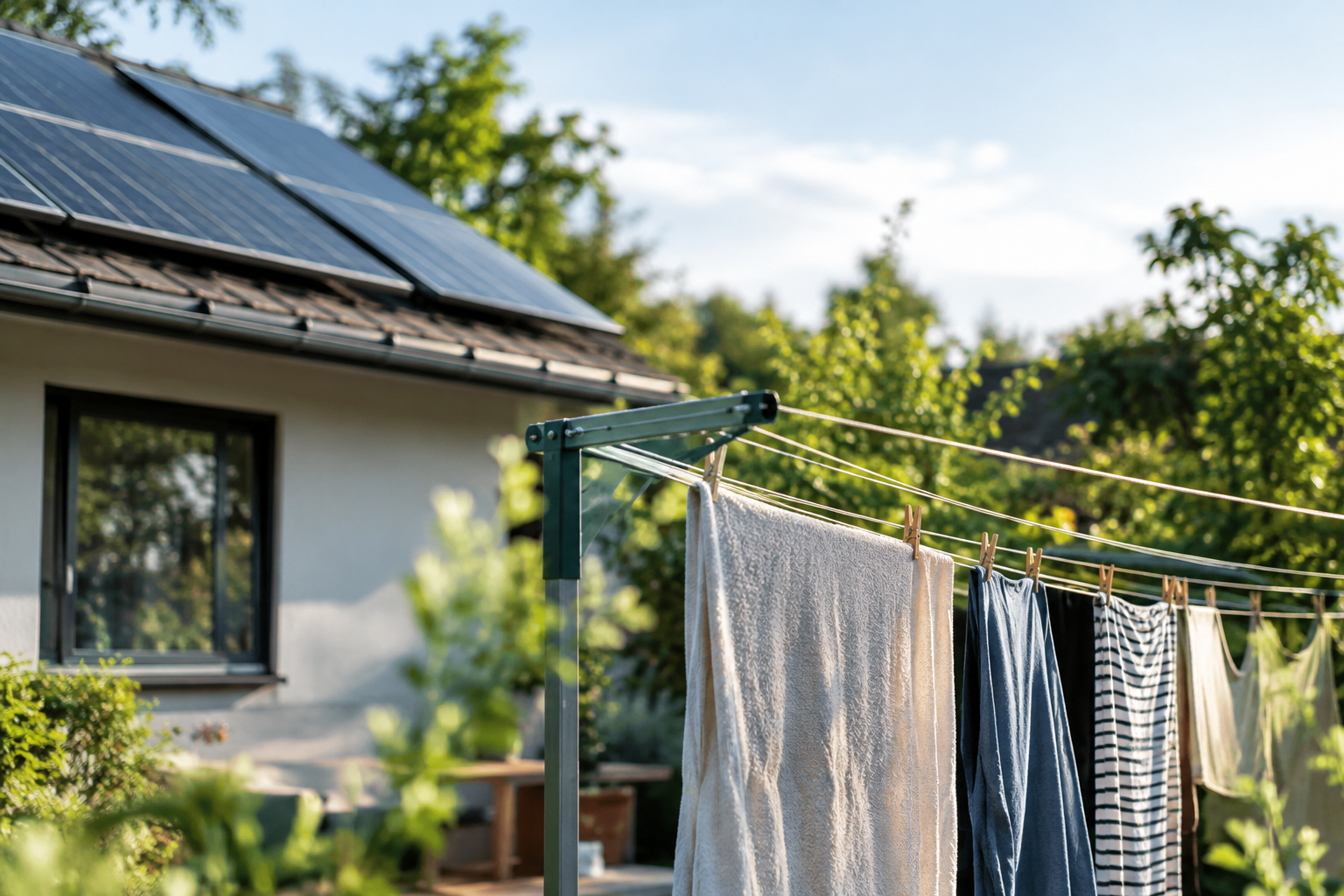
Tennessee HOA Solar Panel and Clothes Line Rules
Tennessee has no state statute that restricts homeowner association authority over solar panels, clothes lines, or other energy saving devices. Unlike states such as California, Florida, or Texas, Tennessee law does not preempt HOA covenants that prohibit or limit the installation of solar equipment or outdoor drying racks. Your association's declaration of covenants, conditions, and restrictions controls whether you can install these devices on your property.
The Tennessee Real Estate Commission regulates property management companies and real estate professionals, but it does not oversee HOA governance decisions about architectural standards or energy devices. The Tennessee Attorney General's office has authority to investigate consumer protection violations, but it does not intervene in disputes about solar panel approval unless fraud or deceptive practices are alleged. Your primary recourse when an HOA denies a solar or clothes line request is to review your governing documents, request a variance, or negotiate with your board.
What Your Governing Documents Control
Your association's covenants may prohibit solar panels outright, require architectural review committee approval, or specify design standards such as panel placement, color, or visibility from the street. Many Tennessee HOAs adopted covenants in the 1980s or 1990s that do not mention solar equipment because residential solar was uncommon at that time. If your covenants are silent on solar panels, your board must interpret whether the installation violates general architectural standards or visible alteration clauses.
The same principle applies to clothes lines. Your covenants may ban outdoor drying racks, clotheslines, or any structure that alters the exterior appearance of your lot. Some associations permit retractable lines or drying racks that are not visible from the street, while others prohibit all outdoor drying devices. Check your covenants, architectural guidelines, and any amendments for language about exterior structures, antennas, or visible equipment.
If your covenants require architectural review committee approval for any exterior alteration, you must submit a written application that describes the solar panel system or clothes line you plan to install. Include specifications such as dimensions, materials, placement, and photos or diagrams. The committee must follow the review timeline and standards in your governing documents. If the committee denies your request, ask for a written explanation that cites the specific covenant provision or guideline you violated.
Tennessee Energy Market and Solar Adoption
Tennessee ranks in the middle tier of states for residential solar adoption. The Tennessee Valley Authority provides electricity to much of the state, and TVA's Green Power Providers program allows customers to purchase renewable energy. However, Tennessee does not offer state level solar tax credits or rebates, and the state ended its net metering requirement in 2015. Individual utilities may offer net metering or generation credits, but the absence of state mandates means your return on investment depends on your local utility's policy.
As of 2024, approximately 14,000 Tennessee homes had residential solar installations, concentrated in metro Nashville, Knoxville, and Chattanooga. The number of installations grew 22 percent between 2022 and 2024, driven by federal tax credits and declining equipment costs. This growth creates tension in HOAs that have covenants written before solar panels became common.
A concrete example: the Belle Meade Estates Homeowners Association in Nashville denied a homeowner's application to install rooftop solar panels in 2023 because the covenants prohibited any rooftop equipment except satellite dishes smaller than 24 inches. The homeowner filed suit in Davidson County Chancery Court, arguing that the covenant was ambiguous and that solar panels serve a different purpose than antennas. The parties settled before trial, with the association agreeing to amend its architectural guidelines to permit solar panels on rear facing roof slopes that are not visible from the street. The settlement cost the association $18,000 in legal fees and required a special membership vote to adopt the guideline amendment.
How to Request Solar Panel or Clothes Line Approval
Start by reading your covenants in full. Look for sections titled "Architectural Control," "Exterior Alterations," "Visible Equipment," or "Antennas and Satellite Dishes." Note any requirement to submit plans, obtain committee approval, or follow specific design standards. If your covenants are silent on solar panels or clothes lines, check whether they require approval for any structure or alteration that affects the exterior of your home.
Next, contact your architectural review committee or board in writing. State that you plan to install a solar panel system or clothes line and request a copy of the application form and design guidelines. Ask whether the committee has approved similar installations in the past and what standards it applied. If the committee provides examples of approved installations, use them as a template for your own application.
Prepare a detailed application that includes the following: a site plan showing the location of the panels or clothes line, specifications for the equipment, photos or renderings of the finished installation, and a statement explaining how the installation complies with your covenants. If your covenants require that alterations not be visible from the street, include photos taken from the street showing that the equipment will be screened by your roof line, trees, or fencing.
Submit your application and ask for a written response within the timeline specified in your covenants. If your covenants do not specify a review period, request a response within 30 days. If the committee denies your application, ask for a written explanation that cites the specific covenant provision you violated. Review the explanation with your attorney to determine whether the denial is consistent with your covenants and whether you have grounds to appeal.
Negotiating with Your Board
If your HOA denies your solar panel or clothes line request, consider proposing a compromise. For solar panels, offer to install the system on a rear facing roof slope, use low profile mounting hardware, or paint the frames to match your roof color. For clothes lines, propose a retractable line that you will remove when not in use or a location that is screened by your fence or landscaping.
You can also request that your board amend the architectural guidelines to permit solar panels or clothes lines under specific conditions. Present data on the number of Tennessee homes with solar installations, the environmental and cost savings benefits, and examples of other HOAs that have updated their guidelines. Offer to work with the board to draft guideline language that balances individual rights with community aesthetics.
If negotiation fails, you may request a variance. A variance is a one time exception to the covenants granted by the board or membership. Your request should explain why the installation is necessary, how it benefits you and the community, and what measures you will take to minimize its visual impact. The board may condition the variance on specific design standards or require you to remove the equipment if you sell your home.
Consult your attorney for your specific situation before filing a lawsuit or requesting a variance. Tennessee courts generally enforce HOA covenants as written unless they are ambiguous, unreasonable, or violate public policy. A lawsuit is expensive and time consuming, and you may not prevail if your covenants clearly prohibit the installation you want.
What Boards Should Consider
If you serve on an HOA board in Tennessee, review your covenants and architectural guidelines to determine whether they address solar panels, clothes lines, or other energy devices. If your covenants are silent, adopt architectural guidelines that provide clear standards for approval. Address issues such as placement, visibility, materials, and maintenance. Consider permitting solar panels on rear facing roof slopes or in areas not visible from the street, and allow retractable clothes lines in screened locations.
Many Tennessee boards resist solar panel requests because they fear the equipment will harm property values or create visual inconsistency. However, data from the Appraisal Institute shows that homes with solar panels sell for 3 to 5 percent more than comparable homes without solar in markets where solar is common. In Tennessee's growing metro areas, solar panels may enhance marketability rather than detract from it.
Document every architectural review decision in writing. If you deny a solar panel or clothes line request, cite the specific covenant provision or guideline that the proposal violates. If you approve a request, note any conditions or design standards the homeowner must follow. This documentation protects the board if a homeowner challenges the decision or if another member claims the board applied standards inconsistently.
State Agencies and Resources
The Tennessee Real Estate Commission licenses property managers and real estate professionals but does not regulate HOA architectural decisions. If you believe your property manager or board engaged in fraud or deceptive practices, you can file a complaint with the commission, but the commission will not intervene in disputes about solar panel approval or covenant interpretation.
The Tennessee Attorney General's office enforces consumer protection laws and investigates complaints about HOA fraud, but it does not resolve individual disputes about architectural standards. If your HOA refuses to provide financial records, misappropriates funds, or engages in self dealing, you can file a complaint with the attorney general, but solar panel and clothes line disputes are generally not within the office's jurisdiction.
The Tennessee Valley Authority offers information about residential solar programs and utility interconnection requirements. If you plan to install solar panels, contact TVA or your local utility to determine whether you qualify for net metering, generation credits, or other incentives. Utility rules vary by provider, and your HOA approval does not guarantee that your utility will interconnect your system.
How Manorway Helps
Manorway's AI assisted platform helps boards track architectural review applications, store governing documents, and maintain records of approval decisions. When a homeowner submits a solar panel or clothes line request, you can use Manorway to log the application, set a deadline for review, and generate a response letter that cites the relevant covenant provisions. The platform creates an audit trail that shows you applied standards consistently and followed your governing documents.
For homeowners, Manorway provides access to your association's covenants, architectural guidelines, and past approval decisions. You can review what your board has approved in the past and submit your application electronically. When your board uses an AI assisted platform to manage requests, you receive faster responses and clearer explanations of approval or denial.
Tennessee HOAs face unique challenges when governing documents written decades ago meet modern energy technology. By documenting your process, negotiating in good faith, and consulting your attorney when disputes arise, you protect your rights and avoid costly litigation.
Ready to modernize your HOA management?
Learn how Manorway can help your community operate more efficiently.
Get Started Today