Tennessee HOA Drone Rules and Surveillance Camera Guidelines
Tennessee does not have a state statute that restricts HOA use of drones or surveillance cameras. Your association's authority to regulate drone flights and camera installations comes from your governing documents and Tennessee common law privacy protections.
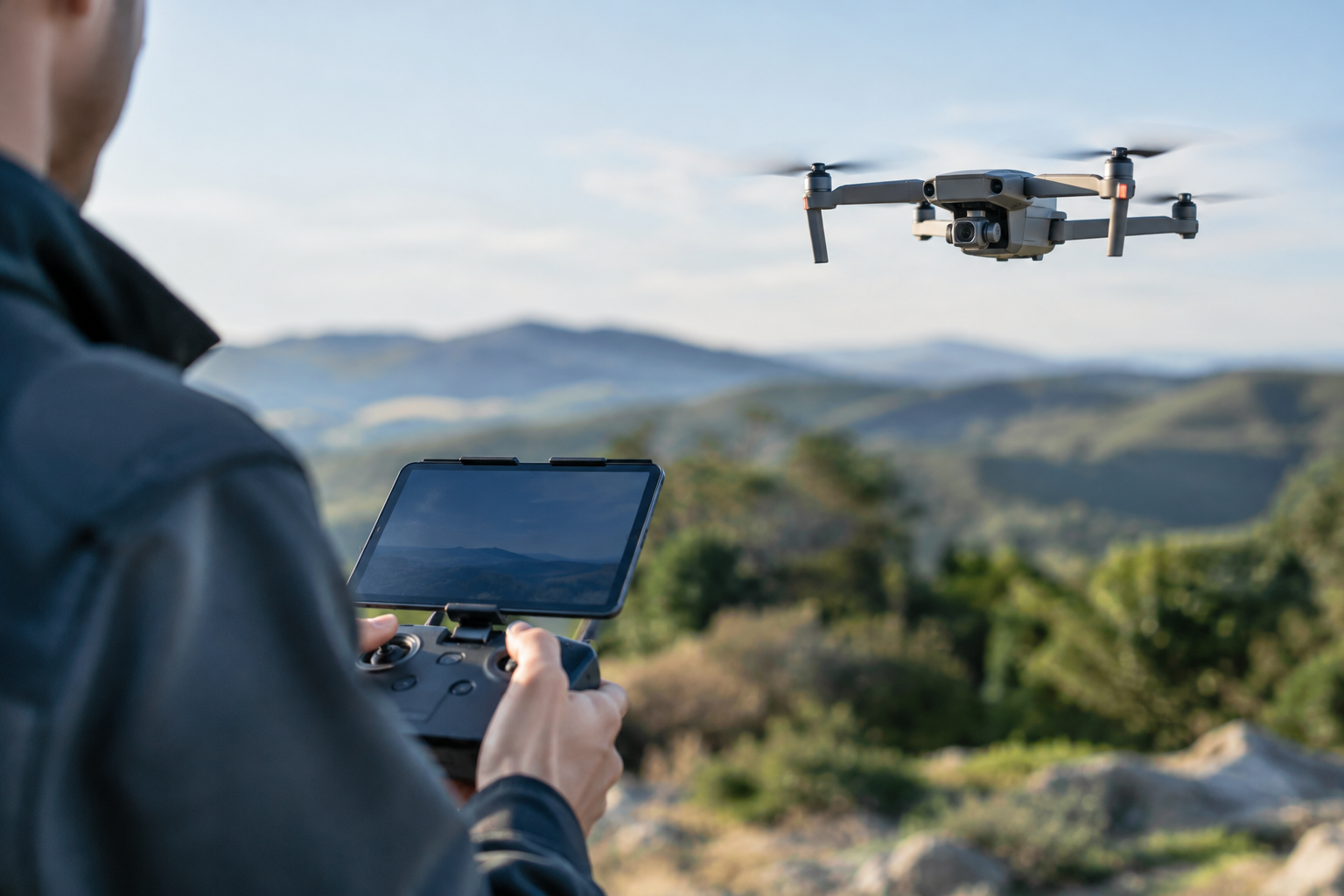
Tennessee HOA Drone Rules and Surveillance Camera Guidelines
Tennessee does not have a state statute that specifically governs HOA use of drones or surveillance cameras. Your association's authority to regulate drone flights over common property and camera installations comes from your governing documents, Tennessee common law privacy protections, and Federal Aviation Administration rules that apply to all unmanned aircraft operations.
Because Tennessee law is silent on HOA drone and surveillance policy, your board has flexibility to adopt reasonable restrictions through your declaration of covenants, bylaws, or architectural guidelines. However, you must balance community safety and aesthetics with member privacy rights and federal aviation law. The Tennessee Attorney General's office has jurisdiction over HOA disputes involving consumer protection and fiduciary duty, and Tennessee courts have recognized common law invasion of privacy claims when surveillance becomes unreasonable.
Federal Aviation Administration Rules Apply to All Drones
The FAA regulates all drone operations in the United States, including flights over your association. FAA rules control airspace, not property rights, but they set a baseline for what your members can and cannot do with drones. Under current FAA regulations, recreational drone pilots must fly below 400 feet, maintain visual line of sight, and avoid flying over people who are not participating in the operation.
Your board cannot override FAA rules. If a member wants to fly a drone over common property or private lots, the FAA allows that flight as long as the pilot follows federal safety rules. However, your governing documents can impose additional restrictions on when, where, and how members may launch or land drones on association property. You can prohibit drone takeoffs from pool decks, restrict drone operations during community events, or require members to notify the board before any drone flight.
What Your Governing Documents Can Restrict
Your declaration and bylaws control what members can do on common property and sometimes on private lots. If your governing documents grant the board authority to adopt rules for the use of common areas, you can pass a resolution that prohibits drone launches from clubhouses, parking lots, or recreational facilities. If your covenants include architectural review provisions, you can require members to obtain approval before installing exterior cameras or mounting equipment for drone operations.
A concrete example: the Brentwood Estates Homeowners Association in Brentwood adopted a drone policy in 2019 that prohibits any member from launching or landing a drone on common property without written board approval. The policy requires members who want to fly drones to submit a flight plan showing the launch location, flight path, and time of day. The board reviews each application to ensure the flight will not interfere with community events or pool operations. Since the policy went into effect, the association has approved 12 drone flights and denied three applications that would have flown over the pool during swim meets.
Your governing documents can also regulate surveillance cameras. If your covenants include architectural standards, you can require members to submit plans for any exterior camera installation and approve only cameras that match community aesthetics. You can prohibit cameras that point into neighboring yards or windows. You cannot ban all cameras, because Tennessee law recognizes a property owner's right to protect their home, but you can regulate placement, size, and direction.
Tennessee Common Law Privacy Protections
Tennessee courts recognize invasion of privacy as a tort claim. If a member or the board uses a drone or camera in a way that intrudes on another person's reasonable expectation of privacy, the person being surveilled may file a lawsuit. Tennessee case law defines invasion of privacy as an intrusion that would be highly offensive to a reasonable person. Courts consider whether the surveillance occurred in a private space, whether the person had a legitimate expectation of privacy, and whether the intrusion was continuous or isolated.
Your board should not use drones to monitor individual members unless you have a specific, documented reason related to a covenant violation. If a member complains that another member is violating parking rules, your board can inspect the common area during normal hours, but you should not fly a drone over the member's backyard or use a camera to record inside their home. If you do, you risk a privacy lawsuit and damage to board credibility.
Surveillance cameras on common property are generally permissible if they serve a legitimate security purpose and do not record areas where members have a reasonable expectation of privacy. You can install cameras at entry gates, parking lots, and clubhouse exteriors. You should not install cameras that record pool changing rooms, restroom windows, or private patios unless you have documented a specific security threat and consult your attorney first.
State Agency Oversight and Dispute Resolution
The Tennessee Attorney General's office does not regulate HOA drone or surveillance policy directly, but it has authority to investigate complaints about HOA mismanagement and consumer protection violations. If your board adopts a drone policy that members believe violates fiduciary duty or discriminates against certain homeowners, those members can file a complaint with the Attorney General's Consumer Protection Division.
Tennessee courts also hear disputes about HOA enforcement actions. If your board fines a member for a drone violation and the member believes the fine is arbitrary or not supported by your governing documents, the member can file a lawsuit in state court. Tennessee judges will review whether your policy is reasonable, whether you followed your own procedures, and whether the fine is proportionate to the violation.
What You Should Do Now
Review your governing documents to determine whether your board has authority to adopt rules about drone operations and camera installations. If your covenants grant the board rulemaking power for common areas or architectural review authority, you can draft a policy that addresses drones and surveillance. If your documents are silent, you may need to amend your declaration to add this authority.
Create a written drone policy that specifies where members may launch and land drones, what hours are permissible, and what approval process applies. Include a provision that requires members to comply with all FAA regulations and prohibits any drone operation that invades another member's privacy. Draft a camera policy that sets standards for placement, size, and direction. Require members to submit plans for any exterior camera and prohibit cameras that point into neighboring private spaces.
Document your reasoning for any restrictions you adopt. If you prohibit drone launches from the pool deck, explain that the restriction protects swimmers from overhead hazards. If you limit camera angles, explain that the restriction balances security needs with privacy rights. Clear documentation helps you defend your policy if a member challenges it.
Consult your attorney for your specific situation. Tennessee law on drones and surveillance is developing as technology advances. Your attorney can review your governing documents, draft a policy that fits your community, and advise you on enforcement procedures.
How Manorway Helps You Manage Drone and Camera Rules
Manorway's AI assisted platform helps your board track drone and camera applications, store policy documents, and maintain a record of approval decisions. When a member submits a drone flight plan or camera installation request, you can log the application, attach supporting documents, and record the board's decision in one place. The platform generates a timeline of approvals and denials, so you can demonstrate consistent enforcement if a member files a complaint.
You can also use Manorway to distribute your drone and camera policy to all members and track who has acknowledged receipt. Clear communication reduces disputes and helps members understand the rules before they purchase a drone or install a camera. When your board uses an AI assisted tool to organize policy adoption and enforcement, you reduce the risk of inconsistent decisions and create an audit trail that protects the board in disputes.
Ready to modernize your HOA management?
Learn how Manorway can help your community operate more efficiently.
Get Started Today