West Virginia HOA EV Charging Rights: What Owners Can Install
West Virginia does not mandate that HOAs permit electric vehicle charging station installation. Your association's declaration and bylaws govern whether you can install a charger and what approval process applies.
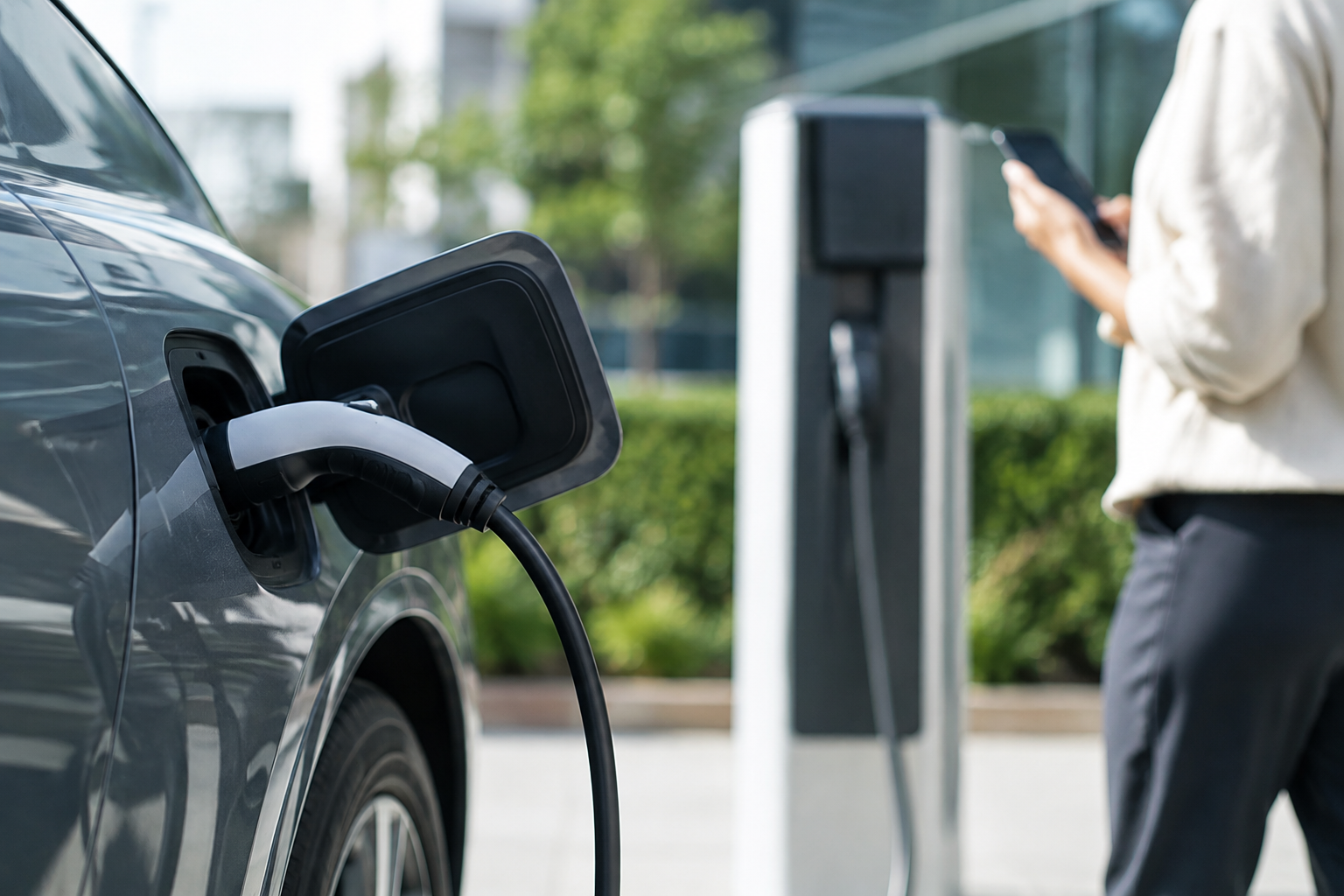
West Virginia HOA EV Charging Rights: What Owners Can Install
West Virginia has no state statute that requires homeowner associations or condominium boards to allow owners to install electric vehicle charging equipment. Your association's declaration of covenants and bylaws control whether you can add a charging station to your unit or lot, what approval you must obtain, and who bears the cost of installation and electricity. The West Virginia Real Estate Commission oversees common interest communities, but it does not enforce a right to install EV chargers absent governing document language.
What Governing Documents Control
Your association's declaration typically defines what modifications you can make to common elements or exterior structures. Most West Virginia HOA declarations written before 2015 do not mention electric vehicle charging because the technology was rare when the documents were drafted. If your declaration is silent on EV chargers, your board has discretion to approve or deny installation requests based on architectural standards, safety concerns, and the impact on common property.
Your bylaws may require you to submit a written application to the architectural review committee or board before installing any exterior equipment. A typical process requires you to describe the charger model, show where you will mount it, explain how you will run electrical conduit, and provide proof of insurance. The board then has 30 to 60 days to approve or deny your request. If the board denies your application, you have the right to appeal the decision at a member meeting or challenge it in circuit court if you believe the denial was arbitrary or violated your governing documents.
West Virginia's population concentration in the Charleston metro area and the eastern panhandle near Maryland means that EV adoption rates vary widely across the state. In counties near interstate corridors, more owners are purchasing electric vehicles and requesting charging infrastructure. In rural areas, lower population density and longer driving distances make EV ownership less common, and associations in those markets see fewer charger requests.
Cost and Electrical Infrastructure
Installing a Level 2 home charger in West Virginia typically costs between 800 and 2,500 dollars, depending on the distance from your electrical panel to the parking area and whether your panel has capacity for a 240 volt circuit. If you live in a condominium building with shared parking, the cost can exceed 5,000 dollars because the electrician must run conduit through common areas and the board may require you to hire an engineer to verify that the building's electrical service can support additional load.
Your governing documents determine who pays for installation. In most single family HOAs, you pay the full cost of the charger, the electrical work, and any trenching or conduit required to reach your driveway. In condominiums, the board may require you to reimburse the association for any work that affects common elements, such as upgrading the building's main electrical service or repairing exterior siding after conduit installation.
Electricity cost is another factor. West Virginia's average residential electricity rate is approximately 12 cents per kilowatt hour, lower than the national average. Charging a 60 kilowatt hour battery from empty to full costs about 7.20 dollars at that rate. If you charge your vehicle twice per week, your monthly electricity cost is roughly 60 dollars. Your governing documents should specify whether you pay for this electricity through a separate meter or whether the association must install submetering to track your usage.
Liability and Insurance Requirements
Your board may require you to carry additional liability insurance before approving a charger installation. A typical requirement is 1 million dollars in general liability coverage that names the association as an additional insured. This protects the association if a guest is injured while using your charger or if a fire caused by faulty wiring damages common property.
The board may also require you to sign an indemnification agreement stating that you will pay for any damage to common elements caused by your charger installation or use. This includes damage from electrical surges, water intrusion through conduit penetrations, or physical damage to parking lot pavement when the electrician trenches to install underground wiring.
Approval Process and Timeline
If you want to install an EV charger, start by reviewing your declaration and bylaws to identify the approval process. Submit a written application to your board or architectural committee that includes the charger specifications, a site plan showing the installation location, and a proposal from a licensed electrician. Include proof of insurance and a statement that you will indemnify the association for any damage.
The board typically has 30 to 45 days to respond. If the board denies your request, ask for a written explanation of the reasons. Common grounds for denial include inadequate electrical capacity, aesthetic concerns about visible conduit, potential damage to common property, or safety risks in shared parking areas. If you believe the denial is unreasonable, you can request reconsideration at the next board meeting or consult your attorney for your specific situation.
A concrete example: the Mountainview Townhomes Association in Morgantown denied an owner's request to install a wall mounted charger in 2022 because the charger would be visible from the street and the association's architectural guidelines required all exterior equipment to be screened from view. The owner revised the application to include a privacy fence that would conceal the charger and paid for the fence installation. The board approved the revised application, and the owner completed the installation within 60 days.
Board Responsibilities and Best Practices
If your board has not yet received an EV charger request, prepare now by reviewing your governing documents and identifying any gaps in your approval process. Consider adopting a written policy that specifies the application requirements, approval timeline, insurance minimums, and cost allocation rules. Share this policy with members so they understand the process before they purchase an electric vehicle.
Your board should also assess the association's electrical infrastructure. If you manage a condominium building built before 1990, the main electrical service may not support multiple EV chargers without an upgrade. Hire an electrician to evaluate the building's capacity and provide a cost estimate for a service upgrade. If an upgrade is necessary, include the cost in your next reserve study and begin planning for the expense.
Manorway's AI assisted platform helps you track charger installation requests, store governing documents, and maintain a record of board decisions and member communications. You can create an application template, set reminders for approval deadlines, and generate notices to members about new policies. When your board uses a centralized platform to manage modification requests, you reduce the risk of inconsistent approvals and create an audit trail that protects the board in disputes.
What You Should Do Next
If you are an owner who wants to install a charger, pull your association's declaration and bylaws and review the modification approval process. Contact your board in writing to request guidance on application requirements and timeline. Obtain quotes from at least two licensed electricians and confirm that your homeowner's insurance policy covers the charger installation.
If you are a board member, schedule a discussion of EV charging policy at your next meeting. Review your architectural guidelines and identify whether you need to amend them to address charging equipment. Consult your attorney for your specific situation to ensure that any new policy complies with your governing documents and does not create unintended liability for the association.
West Virginia law gives associations significant discretion to regulate modifications to common property and exterior structures. Your governing documents are the primary source of rules, and your board's consistent application of those rules protects both owners and the association from disputes. Plan ahead, document your process, and communicate clearly with members to manage EV charger requests fairly and efficiently.
Ready to modernize your HOA management?
Learn how Manorway can help your community operate more efficiently.
Get Started Today